
Men’s eyewear trends for 2027 are useful when they help you choose glasses that work with your face, wardrobe and daily use. This guide compares rectangular, panto and round shapes, acetate finishes and lens choices, then connects those differences with specific Bo Bo Noir frames. Our selection is an editorial interpretation of current design directions, not a ranking of market popularity. Start with the effect you want, check the fit and lens specifications, and use the product comparisons to narrow your shortlist. For the broader picture, read Eyewear Trends 2027: The Complete Guide; for colour specifically, see Sunglasses Colour Trends 2027. Choose for your daily use. For prescription glasses, compare the optical frames and check the dimensions with your optician. For sunglasses, use the lens and frame comparisons below. Start with your preferred shape and contrast. These are useful starting points to compare, not a promise of fit. Prefer a lighter lens colour? Compare the four new Triboulet versions below. Rectangular, panto and round frames organise the upper face differently. Rectangles emphasise horizontal direction; panto combines curves with a more structured upper rim; round frames prioritise continuous curvature. The shape name is only a starting point. Overall width, lens height, acetate thickness and colour can make two frames in the same family look and feel very different. A rectangular frame creates a stronger horizontal line across the face. Greater lens height and softer corners can make that geometry less severe than a very narrow rectangle. Consider a rectangle when you want straighter lines around the eyes. Compare physical dimensions before choosing: a horizontal shape does not guarantee that the frame is wide enough, comfortable or proportionate for you. Read more: how frame width changes facial proportions Panto generally combines a curved lower lens with greater definition through the upper frame. It can be a useful starting point when you want curves without the continuous circular effect of a round silhouette. Black makes the outline more explicit; tortoise breaks it with pattern; burgundy introduces deeper colour. These are visual differences, not substitutes for checking bridge contact and temple comfort. Read more: panto versus Wayfarer sunglasses A round silhouette introduces a continuous curved outline. It can create a useful visual contrast with angular features, but there is no rule that assigns one face shape to one frame shape. Compare material and scale as well as geometry. Thick black acetate creates a different visual effect from a translucent peach frame, even when both have round lenses. Choose round when you want the curved lens outline to be the main feature. Compare panto when you prefer curvature with a more defined upper rim. The comparison below summarises those effects; actual fit still depends on the individual model. Shape: Round Visual effect: A more continuous curved outline. Compare it when: You want curvature to be the main feature. Shape: Panto Visual effect: Curves with a more defined upper rim. Compare it when: You want softness with greater upper frame structure. Bold describes visual presence. An oversized appearance depends on the combination of width, lens height, thickness and contrast. A thick frame can fit well; a thinner frame can still be too wide. Assess each dimension separately. Read more: oversized versus standard sunglasses Check: Total width What matters: Compare the complete front with glasses that already fit. Check: Lens height What matters: Check the space between the brow and cheeks. Check: Thickness and colour What matters: Judge visual presence separately from physical fit. Use a pair that already fits as a reference for total front width, bridge contact and temple comfort. Lens width alone does not tell you the complete frame width. A frame that presses at the temples or slips repeatedly needs a fit assessment. Photographs help compare proportions, but cannot confirm comfort or replace advice from an optician when adjustment is needed. Read more: how frame width changes facial proportions The frame and eyebrows are seen together. A straight upper rim can add horizontal definition, while a curved rim can create a softer relationship with the brow. The frame does not need to copy the eyebrow exactly. Check lens height, position on the bridge and clearance around the cheeks as well as the appearance of the upper line. Read more: how eyebrow position affects which sunglasses suit you Acetate finish changes how a silhouette is perceived. Opaque black creates a continuous boundary; tortoise interrupts it with pattern; translucent acetate lets more light and surrounding colour influence the appearance. Choose the material effect alongside the shape. Lower visual contrast does not mean a physically thinner or lighter frame, and substantial acetate does not by itself establish quality. Finish: Opaque black Visual effect: A clear, continuous outline. Finish: Tortoise Visual effect: Warm pattern that breaks up the outline. Finish: Olive or burgundy Visual effect: Visible colour alongside a wardrobe of neutrals. Finish: Crystal or translucent acetate Visual effect: Lower visual contrast while the material remains visible. Use colour to adjust the contrast you want around the eyes. Black, tortoise, olive and crystal are useful comparison points, but the most repeatable choice depends on your clothes and preferred visual effect. Read more: clear versus black frames Burgundy offers deeper visible colour without the stark outline of black. It can work naturally with navy, charcoal, cream, camel and brown. Compare it with black if you want a clear change in colour rather than a change in frame size. If you prefer a strictly monochrome palette, black may be easier to repeat. Read more: burgundy versus black frames Skin and hair influence contrast, but do not impose a compulsory frame colour. Black may stand out more against lighter colouring; translucent acetate can create a softer boundary. With grey hair, decide whether you want stronger definition or a more blended effect. Compare photographs in similar light rather than treating a colour rule as a guarantee. Read more: the best sunglasses for men with grey hair Think of three outfits you already wear. A frame that works with them has a clearer role than a colour you can only imagine wearing with new clothes. Black often supports a monochrome wardrobe, tortoise introduces warm pattern, and burgundy or olive can add colour beside neutrals. These are styling starting points, not restrictions. Lens colour changes the appearance of the complete frame and the wearer’s experience of light. Compare grey, brown, green and lighter tints according to the exact product specification and intended conditions. Colour alone does not establish UV protection or visible light reduction. Check the UV information and lens category separately; a lightly tinted lens should not be treated as equivalent to a darker option. Read more: grey versus green sunglass lenses · brown versus grey sunglasses A solid tint has a more uniform appearance across the lens. A gradient is darker at the top and lighter towards the bottom. Compare the visual effect alongside lens category and intended use, rather than assuming one treatment is universally better. Read more: gradient versus solid lenses Lens safety: Tint darkness and gradient appearance do not establish UV protection. Confirm the exact product’s UV information, lens category and intended use before buying. For prescription use, ask the retailer or optician about compatibility. A style has a stronger reason to stay in your wardrobe when it provides a useful shape, contrast and fit after its novelty fades. Choose a frame you can describe in practical terms: the outline you prefer, a colour you repeat, and lenses appropriate for your use. Start with your priority: horizontal definition, balanced curves, lower contrast or a stronger colour accent. Then compare the relevant models and eliminate those whose dimensions or lenses do not meet your needs. A short, specific shortlist is more useful than trying to follow every trend. The comparison and checks below turn the style discussion into a buying decision. Read more: why some sunglasses suit you better than others
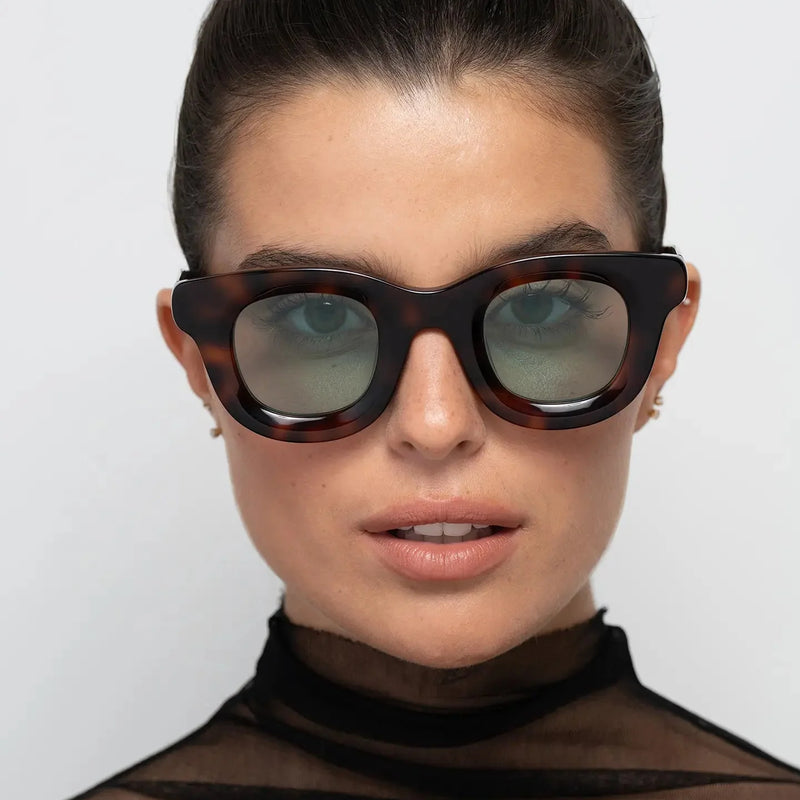
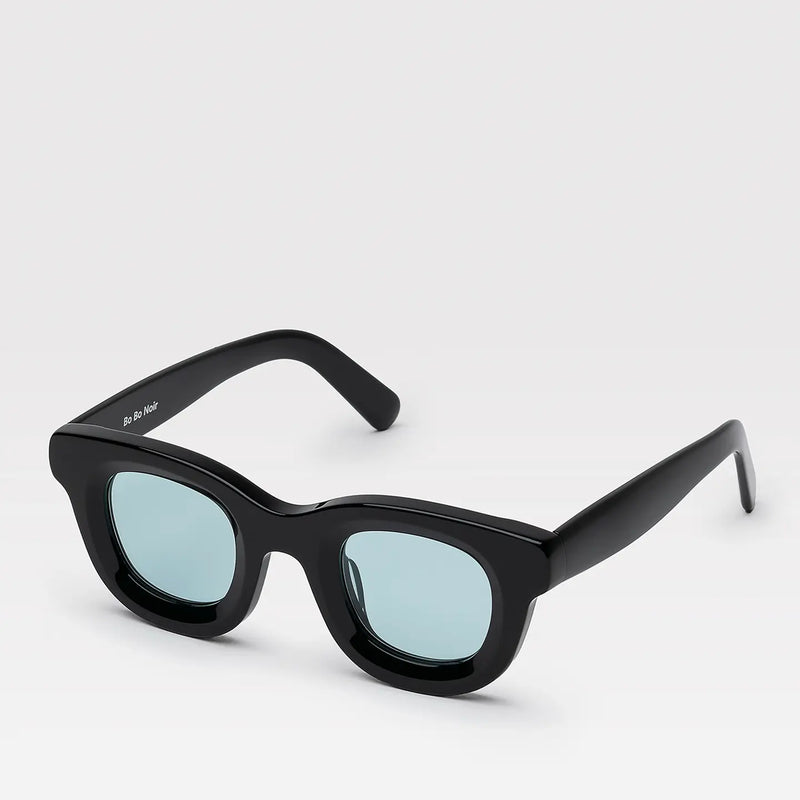
Your priority: Horizontal definition Starting point: A rectangular silhouette. Check before choosing: Total width, lens height and corner treatment. Your priority: Balanced curves Starting point: A panto frame. Check before choosing: Upper rim definition, bridge contact and temple comfort. Your priority: Lower frame contrast Starting point: Translucent acetate. Check before choosing: Whether you still get the amount of definition you prefer. Your priority: A new colour accent Starting point: Burgundy acetate or the newer Triboulet lens colours. Check before choosing: Wardrobe compatibility and the exact lens category. 1. Compare fit, not just the photograph. Check overall frame width, bridge position and temple comfort against a pair you already wear. Lens width alone does not tell you the total front width. 2. Decide on the visual effect. A rectangle increases horizontal definition; panto balances structure and curves; round frames create a softer outline. Use colour and transparency to adjust contrast. 3. Verify the details that affect daily use. Check the exact product measurements, lens specifications, availability and returns policy for your country. A good-looking frame is not a substitute for comfortable fit. Use the differences below to narrow your shortlist, then open the product page to check measurements, lenses and current availability. Choose this panto for a clear black outline and a more structured upper frame. The current specification lists Category 3 blue nylon lenses with UV400 protection. Compare a translucent frame if dark acetate already feels visually dominant. A panto option for deeper visible colour, especially alongside navy, charcoal, cream and brown. Its Category 2 gradient sunset red nylon lenses differ from the darker Category 3 options here: choose by actual light conditions as well as appearance. Round geometry and translucent peach acetate create a softer frame boundary while retaining substantial material. The specification lists Category 3 gradient brown CR-39 lenses with UV400 protection. Compare Narr Shiny Black if you want a clearer dark outline. A substantial panto with warm patterned acetate and Category 3 gradient brown nylon lenses. Compare it with the new Category 1 Triboulet versions below: the frame family is related, but the lens categories serve different brightness conditions. The four new versions explore different relationships between a sculptural panto frame and a light lens tint. Choose black for a continuous graphic outline, or tortoise for warmer patterned depth; then compare the blue, yellow and pink lens colours. All four versions have Category 1 nylon lenses with UV400 protection, according to their product specifications. They are intended for softer daylight and mild brightness conditions. The light tint is a style and lens-category choice; it should not be treated as equivalent to darker lenses for stronger brightness. Black acetate gives the frame a defined outline, while light blue adds a cooler colour contrast. Start here if you want a sculptural frame with a fresher-looking lens colour. Tortoise and yellow create the warmest tonal pairing of these four versions. Choose it when you want patterned acetate and lens colour to work in the same warm direction. The yellow lenses create a more pronounced warm contrast against polished black acetate. Compare it with Tortoise Yellow to decide whether you prefer a graphic boundary or a patterned frame. Pink brings a softer colour contrast inside the same strong black outline. Choose it if you like the structure of Triboulet and want an expressive alternative to blue or yellow. Before ordering, answer these practical questions rather than relying only on a flattering photograph: Shipping and delivery · Returns and refunds · Ask Bo Bo Noir about a frame This editorial guide focuses on defined acetate, rectangular, panto and round shapes, and colours that change facial contrast. These are style directions to consider, not evidence that one shape dominates the entire market. Round frames emphasise continuous curvature. Panto frames generally combine a curved lower lens with a more structured upper rim. Compare the actual geometry and measurements because the labels do not guarantee the same effect across models. Yes, if the physical dimensions suit them. Thickness does not automatically mean a wide frame. Compare total front width, bridge contact and temple comfort rather than choosing from the word bold alone. Black can create clearer definition, while tortoise and translucent acetate offer softer alternatives. The useful choice depends on the contrast you prefer and the clothes you wear, rather than a compulsory colour rule. Yes. The four new Triboulet versions are listed as unisex. Choose the colour relationship you enjoy, then check fit and lens suitability; a colour is not restricted to one gender. No. All four new versions list Category 1 nylon lenses with UV400 protection and are intended for softer daylight and mild brightness. They should not be treated as equivalent to a Category 3 option for stronger brightness. No. UV400 describes ultraviolet protection; lens category relates to visible light reduction. Check both specifications on the exact product rather than judging protection from the darkness of the tint. Confirm compatibility with your optician using your prescription and the frame dimensions. Bo Bo Noir does not fit prescription lenses internally. You can also compare the dedicated optical collection before ordering. Material, finishing and fit affect the experience of wearing a frame. Inspect polish, edges, hinges and adjustment, and compare the product specifications. Thickness or a fashion label alone does not establish quality. Compare measurements with a pair you already wear, look at front and side photographs, and ask for clarification before ordering. Read the current returns conditions as well; photographs and face shape rules cannot guarantee fit. By Bo Bo Noir Journal. Our 2027 selection is an editorial interpretation of shape, material and colour, informed by MIDO’s 2026 discussion of eyewear identity and materials. It is not a market share forecast. Product recommendations use current Bo Bo Noir specifications and photographs; no comparative wearer testing was conducted. The most useful 2027 direction is not a single silhouette or colour. It is choosing deliberately: first the shape that creates your preferred facial balance, then the colour and acetate finish that set the right level of contrast, and finally the measurements and lenses that make the frame practical. For more detail, read how frame width changes facial proportions and why transparent frames create softer facial balance.
Choose the effect you want, then compare the frame
Which men's frame shapes are trending in 2027?
Why rectangular frames remain important for men in 2027
Why panto frames are becoming a stronger men's option

When do round frames work particularly well for men?

Round or panto: which direction creates the right effect?
What is the difference between a bold frame and an oversized-looking frame?
Why frame width matters more than extreme size in 2027

Why eyebrow position matters when choosing men's eyewear
Which acetate finishes are shaping men's eyewear?

Black, tortoise, olive or crystal: which should you choose?
Why burgundy works as a deeper alternative to black

Should men's frame colour match skin tone or hair?
Why your wardrobe should influence men's eyewear colour
What lens colours are relevant for men's sunglasses in 2027?
Gradient or solid lenses: which direction makes more sense?
Which men's eyewear trends are most likely to last beyond 2027?
How should you choose men's eyewear for 2027?

Which men's frame direction should you start with?
Three checks before you choose a frame
Which Bo Bo Noir frames illustrate these directions?
Narr Shiny Black
Narr Burgundy
William Crystal Peach
Triboulet Tortoise Gradient Brown

The four new Triboulet colourways: which one should you choose?
Triboulet Shiny Black Light Blue

Triboulet Tortoise Yellow

Triboulet Shiny Black Yellow

Triboulet Shiny Black Pink

What should you check before buying men's eyewear in 2027?
Frequently asked questions
What are the main men’s eyewear trends for 2027?
What is the difference between round and panto glasses?
Can men with a narrow face wear bold sunglasses?
Which frame colours work with grey hair?
Can men wear pink or yellow sunglass lenses?
Are the new light Triboulet lenses equivalent to dark sunglasses?
Is UV400 the same as lens category?
Can I choose these frames for prescription lenses?
Does acetate quality matter more than a trend name?
How can I reduce the risk of choosing the wrong fit online?
Sources and editorial approach
What should men take from eyewear trends in 2027?
Bo Bo Journal

Featured products


