
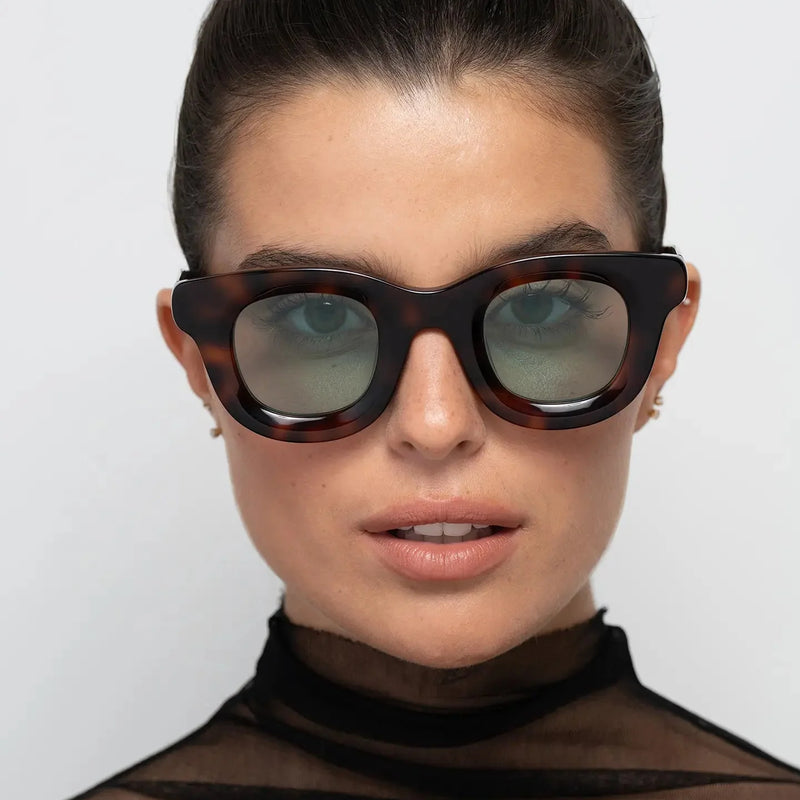
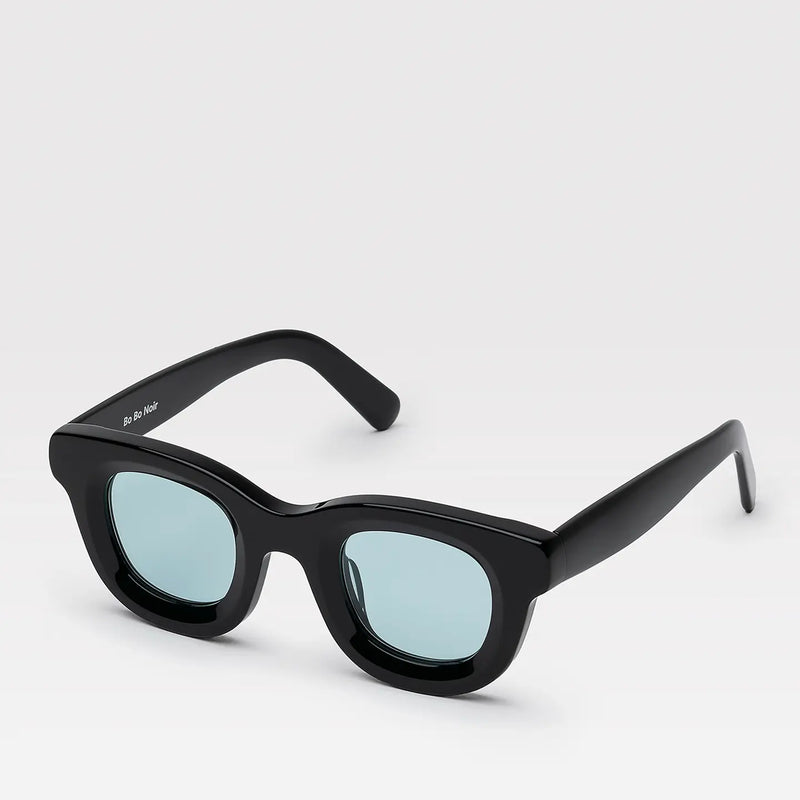
Eyewear trends for 2027 are a starting point for choosing glasses, not a checklist you need to follow. This guide brings together the shapes, materials and colours worth comparing, then separates optical frames from sunglasses so you can choose according to the way you will use them. Start with the change you want around your eyes: a softer outline, stronger definition, more colour or a different sense of proportion. Then check fit and lens requirements. A frame can look current and still be the wrong size or the wrong product for your needs. MIDO’s January 2026 coverage includes a Spring Summer 2027 forecast covering contrasting colour, transparency and material effects. We use that forecast as context, then apply our own practical comparisons; it does not establish a sales ranking or predict which pair will suit you. Read MIDO’s eyewear coverage and SS27 forecast Consider these when you like a visible acetate shape but want less solid colour around the eyes. Transparency changes perceived contrast, not the frame’s physical dimensions. Consider these when the frame itself is part of your look. Inspect the side profile and finishing as well as the front silhouette; thickness alone does not establish quality. Consider these when you prefer curves. A panto shape generally combines a rounded lower rim with a more defined upper line, so it need not look like a fully round frame. Consider this when you want a stronger horizontal line. Width, depth and corner shape determine the actual effect; the word rectangular covers very different designs. Peach, burgundy, olive and tortoise offer different alternatives to a uniform black outline. These are our comparison choices, not a claim that other colours are out of fashion. Acetate can offer layered colour, transparency and a sculpted profile. Injection moulded plastics can also be useful, including for lightweight designs. Neither label guarantees a better product: compare the finish, construction, hinge alignment and comfort of the specific frame. Avoid using price or a material name as the whole quality test. A translucent rim lets the background and skin show through differently from an opaque rim. It may therefore appear less visually dense even when its profile is substantial. That is separate from physical weight, which also depends on construction and the lenses fitted. Look at photographs in more than one lighting condition before deciding how discreet a colour feels. Inspect front, angled and side views for a consistent finish and clean transitions between the front and temples. Photographs cannot prove long term durability or how a hinge will feel in your hand. If the product information does not answer a construction question, ask before ordering rather than treating a decorative detail as evidence of quality. Round frames draw attention to curved geometry. A thicker black rim gives a different result from a translucent peach rim, even when the lens shape is similar. If a round design looks too dominant, compare its width, depth and colour before abandoning round frames altogether. Panto can be useful when you enjoy curves but want a more directional upper line. Compare the bridge and brow line carefully: a broad bridge, a deep lens and an angular upper contour can make two panto frames feel quite different. Narr and Triboulet below are both panto interpretations, with different proportions and lenses. A rectangular frame can add horizontal definition around the eyes. Check lens height as well as width: a shallow rectangle and a deep rectangular frame create different balances. Jane illustrates the women’s rectangular option in our selection; it should not be treated as the automatic choice for every face or gender. These remain useful comparison families, even when they are not represented in the product selection below. Choose them for their proportions and effect rather than because a trend list tells you to. Our dedicated shape guide explores the broader range without suggesting that every silhouette is available in the Bo Bo Noir collection. Choose black when you want the geometry to remain easy to read. Its opaque outline can be quite noticeable, so compare frame thickness and width if you want a quieter result. Peach can introduce warm, softer contrast; yellow makes the colour itself more noticeable. Compare both against your usual clothes and hair colour. Translucent does not mean colourless, and a large transparent frame is still a large frame. Tortoise breaks up the outline with lighter and darker areas. Olive offers a more uniform colour alternative. Try comparing them with the clothes you wear most rather than assuming that either finish suits every skin tone or wardrobe. Burgundy can appear subdued in some light and more colourful in another. In Narr, the frame colour and the sunset red lens tint are two separate features. A photograph of the finished sunglasses should not be read as a preview of how the same frame colour would look with clear optical lenses. Choose the product type before the colour. An optical frame supplied with demonstration lenses and a finished pair of sunglasses are different purchases, even if the frame shape looks similar. Start with an optical frame and discuss the prescription and intended lenses with your optician. The William Optical example below includes temporary demonstration lenses, not finished prescription lenses. Confirm suitability, lens arrangements and fitting before buying; a style guide cannot establish prescription compatibility for an individual wearer. Check the stated UV protection and filter category separately. Category 1 is a lighter filter, Category 2 offers intermediate visible light filtering, and Category 3 is darker. The models below deliberately span those categories. Tint colour and gradient appearance do not by themselves establish UV protection or whether lenses are polarised. ZEISS: understanding sunglasses lens categories Face shape is a useful visual reference, not a fitting rule. If a frame looks right but you are uncertain about its dimensions, ask for clarification before ordering. Each example has a distinct purpose. The optical option comes first; the four sunglasses then compare rounded, panto and rectangular geometry with different lens categories. Open the product page to confirm the current price, photographs and availability. Start here if you want translucent peach acetate for everyday prescription glasses. The round shape has a visible outline with less opaque contrast than black. It is unisex and listed as 44 mm lens width, 26 mm bridge and 145 mm temples. Supplied with temporary demonstration lenses, which must be replaced with suitable prescription or customised optical lenses before everyday wear. Prescription lenses should not be assumed to be included. Choose this comparison when you like peach acetate but are shopping for finished sunglasses. Compare the front image with the optical version so you can distinguish the lens treatment from the frame colour. Unisex. Category 3 gradient brown CR39 lenses with UV400 protection; listed measurements are 44 mm lens width, 26 mm bridge and 145 mm temples. Compare Narr if you prefer a rounded lower rim with more upper definition and a deeper frame colour. The photographs on different faces help you judge its outline without treating one model’s fit as a promise for your own. Unisex. Category 2 gradient sunset red nylon lenses with UV400 protection; 49 mm lens width, 24 mm bridge and 145 mm temples. Compare Jane if you want a more horizontal silhouette with olive acetate rather than a black border. It is the women’s model in this selection; the other examples are unisex. Category 3 gradient brown CR39 lenses with UV400 protection; 52 mm lens width, 23 mm bridge and 145 mm temples. This newer Triboulet makes sense here as a different combination of a defined black frame and a light blue lens. Choose it for that combination and the intended light conditions, rather than assuming every dark frame has dark lenses. Unisex. Category 1 light blue nylon lenses with UV400 protection; 43 mm lens width, 29 mm bridge and 150 mm temples. It provides lighter shading than the Category 3 options above. If you are undecided, shortlist two options that solve different needs. Compare optical versus sun first, then shape, fit, colour and the lens specification. Choosing five similar looking pairs is less useful than understanding why your final two differ. This is the overview. Use a detailed guide when you know the question you need to answer; the links below focus on different decisions rather than repeating the same article. Use the optical guide for frame styles, daily wear and the checks to make before arranging prescription lenses. Use the women’s guide for optical colour comparisons and a separate route to sunglasses. Use the men’s guide for proportions, finishes and contextual model comparisons. Use the sunglasses style guide when you are choosing a finished sun pair rather than an optical frame. Our edit highlights transparency, sculpted acetate, round and panto curves, rectangular definition and warm colours. These are starting points for comparison. The useful choice is the combination that works with your proportions, wardrobe, lens needs and intended use. Both. The style principles can apply to optical frames and sunglasses, but the product and lens requirements differ. The fit section separates the two routes and the product comparison labels each option clearly. No. Both use curves, but a panto design typically has a more defined upper line above a rounded lower rim. Examine the specific silhouette, bridge and lens depth rather than relying on the category name. No shape is a universal choice. A rectangle creates a horizontal reference, but width, depth, bridge and how it sits on your face determine the result. Choose the actual frame, not just the label. Not necessarily. Transparency can reduce visual contrast, making a frame appear lighter. Actual weight depends on the material, construction and lenses; a colour comparison alone cannot establish it. No. Evaluate the specific frame’s finish, construction, hinges and fit. Acetate can provide useful colour depth and sculpted profiles, but the material name alone does not prove durability or comfort. Start with black versus crystal if you are deciding how visible the outline should be. Then compare tortoise, olive or burgundy if you want pattern or colour. Keep the shape similar when possible so you can judge the colour difference more clearly. The William Crystal Peach Optical frame shown here is supplied with temporary demonstration lenses. They are not intended for everyday use and need replacement with suitable optical lenses. Confirm lens suitability and arrangements with an optician. No. Triboulet Shiny Black Light Blue is Category 1, Narr Burgundy is Category 2, and the William and Jane sunglasses shown are Category 3. Compare visible light filtering separately from the stated UV400 protection. No. Gradient describes a tint that changes across the lens. It does not by itself confirm polarisation or UV protection. Check those specifications on the exact product page rather than inferring them from the photograph. Yes, when the dimensions and fit work for the wearer. William, Narr and Triboulet shown here are unisex; Jane is the women’s model. The labels should not replace checking the bridge, width and visual effect. Confirm dimensions, what lenses are supplied, current availability, delivery and returns. Compare front and side views. For prescription glasses, also confirm the intended lenses and fitting requirements with your optician. Read the current delivery and returns terms and check the product page for the final specification. Contact us if a frame detail is unclear. For optical lens suitability and fitting, consult your optician. Choose your next pair by its purpose For prescription glasses, start with the optical collection. For a finished sun pair, compare the sunglasses collection and check its lens category. In either case, choose the shape and colour after confirming what you need the pair to do. This is Bo Bo Noir’s editorial selection, combining published design context with comparisons of our own collection. Style effects are interpretations, not measured promises about how a frame will look on every face. Product specifications were checked against our catalogue on 10 November 2026; stock may change. We do not treat forecasts as confirmed buying behaviour.2027 eyewear trends at a glance
Crystal and translucent finishes
Sculpted acetate and defined edges
Round and panto geometry
Rectangular definition
Warm colour and patterned acetate

Materials, transparency and finishing
Acetate versus other plastics: inspect the actual frame
Transparency changes visual weight
Polish, edges and hinges: the useful checks

Frame shapes: compare the effect
Round: curves with different levels of presence
Panto: a rounded base with more upper structure
Rectangle: a stronger horizontal reference
Cat eye, aviator and other silhouettes
Colours: choose the contrast you want
Black: a clear, graphic border
Crystal peach and yellow: transparency with colour
Tortoise and olive: pattern or a muted colour
Burgundy: a deeper colour accent
Optical frames or sunglasses: fit and lenses
If you need prescription glasses
If you need sunglasses
Compare five Bo Bo Noir options
William Crystal Peach Optical: a softer round optical frame

William Crystal Peach sunglasses: rounded shape, darker filter

Narr Burgundy: structured panto and warmer colour

Jane Olive Green: women’s rectangular definition

Triboulet Shiny Black Light Blue: graphic panto, lighter filter

Choose the right detailed guide
Prescription frames
Women’s eyewear
Men’s eyewear
Sunglasses styles
Eyewear trends 2027: questions before choosing
Which eyewear trends are worth considering for 2027?
Is this guide for glasses or sunglasses?
Are round and panto frames the same?
Are rectangular frames a good choice for everyone?
Do clear frames weigh less than black frames?
Does acetate guarantee high quality?
Which colour should I compare first?
Do William Optical frames include prescription lenses?
Are lighter tinted sunglasses equivalent to darker ones?
Does a gradient lens mean polarised or stronger UV protection?
Can women and men wear the same frames?
What should I check before ordering online?
Before you order
Editorial approach and sources
Bo Bo Journal

Featured products


