Most people do not deliberately build a sunglasses collection. They accumulate one.
A pair is bought before a summer holiday. Another arrives because a new colour feels interesting. A third follows a trend that appears briefly unavoidable. Over time, the drawer fills with frames that looked different in isolation but perform almost exactly the same role once worn.
The result is more choice without more versatility.
Learning how to build a timeless sunglasses collection requires a different approach. Instead of asking which frame feels newest, ask what your current collection cannot do. Instead of collecting small variations of the same silhouette, choose frames that create distinct visual effects, serve recognisable situations and remain comfortable enough to wear repeatedly.
A timeless collection does not need to be conservative, colourless or minimal. It can contain bold acetate, expressive geometry and unusual colour. What makes it timeless is the clarity behind each decision: the proportions work, the frame has a purpose and its appeal does not depend entirely on a temporary trend.
The objective is not to own the greatest number of sunglasses. It is to reach the point where every pair earns its place.
Readers still looking for the dependable frame around which to build may find it useful to begin with our guide to the best everyday sunglasses, which explores why comfort, proportion and repeated wear matter more than novelty.

Quick answer
A timeless sunglasses collection usually contains two to four carefully differentiated pairs. Begin with one neutral, comfortable frame for frequent wear. Add a second pair only when it changes the geometry, colour temperature, lens experience or level of formality. A third or fourth pair should solve a recognisable lifestyle or wardrobe need.
Avoid buying several frames that look different on a product page but create the same effect when worn. The collection is complete when every pair is used, each has a clear role and new options mainly duplicate something you already own.
BBN Insight
Timelessness is not the absence of personality. It is personality supported by proportion. A bold frame can remain relevant for years when its geometry, visual weight and relationship with the wearer are stronger than the trend that first brought it attention.
Why do most sunglasses collections fail?
Most unsuccessful collections fail for one reason: they are organised around individual purchases rather than the relationship between the frames.
Every new pair may appear attractive on its own. The problem only becomes visible when the collection is considered as a whole. Three black frames may have slightly different corners but produce almost identical facial contrast. Four tortoise frames may vary in pattern while serving the same outfits. Several fashionable silhouettes may all feel exciting at first yet become difficult to wear once the trend fades.
This is the difference between variety and useful variety.
Useful variety changes something meaningful. It may introduce a softer shape beside a structured one, a warmer acetate beside a graphic black frame or a quieter everyday pair beside a more expressive design. The new frame expands the wardrobe because it creates a distinct decision—not merely another option within the same decision.
Collections also fail when fit is treated as a secondary consideration. A frame can appear ideal in photographs and still remain unworn because it slips, presses at the temples, feels heavy after an hour or sits too close to the eyelashes. Visual appeal initiates the purchase, but physical comfort determines whether the frame becomes part of everyday life.
Another common problem is buying before identifying a role. Without a clear role, the new pair must compete with an established favourite. The wearer continues reaching for the familiar frame, while the recent purchase gradually becomes something admired rather than used.
| Collection mistake | What happens | Better decision |
|---|---|---|
| Buying around novelty | Initial excitement disappears before the frame becomes part of the wardrobe. | Evaluate how the frame will be worn after the trend has passed. |
| Repeating one silhouette | The collection grows in quantity without creating a different visual effect. | Introduce complementary geometry or visual weight. |
| Ignoring fit | The frame is admired but rarely worn for extended periods. | Confirm bridge comfort, width and temple alignment first. |
| Choosing colour before role | The frame adds a new colour but no genuinely new use. | Define the practical or visual gap before selecting colour. |
| Buying without an audit | New purchases compete with the frames already worn most often. | List what every existing pair already contributes. |
What makes a sunglasses collection timeless?
A sunglasses collection becomes timeless when its usefulness lasts longer than the excitement of buying it.
This does not mean every frame must resemble a traditional design. Round, panto and rectangular sunglasses can all become enduring choices. Black, tortoise, burgundy, cream and translucent colours can also remain wearable over time. The decisive factor is not whether a style is labelled “classic”. It is whether the frame continues to make visual and practical sense for its owner.
Five qualities create that longevity.
1. Balanced frame geometry
The silhouette should create an intentional relationship with the face. Rounder frames can soften stronger angles. Rectangular frames can introduce definition and horizontal structure. Panto shapes often combine softness with a clearer brow line. None is universally superior; each creates a different visual balance.
A timeless frame does not merely fit a face-shape label. Its width, lens height, brow line and thickness work together without overwhelming or disappearing against the wearer’s features.
2. Reliable long-term comfort
A frame cannot become an enduring part of a wardrobe when wearing it feels like a compromise. The bridge should sit securely, the temples should not create unnecessary pressure and the overall width should remain stable during normal movement.
Comfort is not separate from style. It influences posture, confidence and how naturally the frame is worn. The pair that feels effortless will usually receive more wear than the visually dramatic frame that needs constant adjustment.
3. A clear role within the collection
Every pair should answer a sentence beginning with: “I wear these when…”
The answer may involve everyday commuting, weekends, brighter light, travel, formal dressing or a desire for stronger visual character. The role can be practical or aesthetic, but it should be recognisable.
When two frames complete the sentence in exactly the same way, they may be duplicates even when their product names and acetate colours differ.
4. Wardrobe compatibility
Timeless sunglasses do not need to match every item of clothing. They should, however, connect naturally with a meaningful part of the wearer’s real wardrobe.
Neutral black can create graphic definition. Tortoise introduces warmth and variation. Cream offers a softer form of contrast. Burgundy can behave almost like a deep neutral while bringing more personality. The right colour is the one that works repeatedly with the colours, textures and levels of formality already present in daily dressing.
5. Meaningful difference between pairs
The strongest collections contain internal contrast. One pair may feel structured while another feels softer. One may be visually quiet while another becomes the central accessory. One may work across most situations while another exists for a narrower but clearly valuable purpose.
This difference makes choosing easier. Instead of comparing several nearly identical frames each morning, the wearer selects the pair whose role matches the day.
Editorial perspective
A timeless collection is not defined by a fixed number of frames. It is defined by the absence of confusion. Every pair should feel sufficiently different to justify the choice, yet sufficiently connected to belong to the same personal wardrobe.
How does the Timeless Collection Pyramid work?
The Timeless Collection Pyramid is a framework for deciding which sunglasses deserve priority and which should only be added later. It places the most frequently worn and most versatile frame at the base, with increasingly specialised choices above it.
The pyramid prevents a common mistake: beginning with the most exciting frame rather than the most useful one.
Expression
Lifestyle specialisation
Visual contrast and alternative styling
The dependable everyday foundation
Level 1: The dependable everyday foundation
The base of the pyramid is the pair that receives the greatest amount of wear. It should be comfortable, proportionally balanced and compatible with the settings encountered most often.
For many people, this will be a black or tortoise frame with a silhouette that feels distinctive without becoming difficult to style. A well-proportioned round design such as the William Shiny Black illustrates this foundation: the frame has a clear visual identity, but its neutral colour allows it to move between casual and more considered wardrobes.
The everyday pair does not need to be visually anonymous. It needs to be dependable enough that choosing it never feels like work.
Level 2: Visual contrast and alternative styling
The second level should change the direction of the collection. When the foundation is round, the next frame might introduce rectangular structure. When the first pair is graphic black, the second might use warmer tortoise or a softer neutral.
This level creates genuine versatility because it changes how the face and wardrobe are read. The wearer is no longer choosing between two versions of the same look.
Level 3: Lifestyle specialisation
The third level serves a more specific requirement. It may be chosen for frequent travel, stronger seasonal light, extended outdoor wear or a particular type of dressing. Its role is narrower than the first two levels but still practical and repeated.
A specialised frame should solve a situation that the existing collection handles poorly. Without that unresolved situation, the third pair may simply become duplication disguised as expansion.
Level 4: Personal expression
The top of the pyramid is where unusual colour, stronger geometry or a more directional design can enter. This frame does not need to be the most versatile because the collection already has a stable foundation.
Expression becomes more successful when it is added last. The wearer can enjoy a distinctive frame without expecting it to perform every role or work with every outfit.
| Pyramid level | Primary purpose | Buying priority | Question to ask |
|---|---|---|---|
| Level 1 | Frequent everyday wear | Essential | Would I comfortably wear this several times each week? |
| Level 2 | A genuinely different visual direction | High | Does this change more than colour alone? |
| Level 3 | A specific lifestyle requirement | Situational | Which unresolved situation will this pair handle? |
| Level 4 | Personal expression and experimentation | Optional | Would I still want this without the influence of the current trend? |
BBN Insight
The pyramid is built from frequency upwards. The lower a frame sits, the more often it should be worn and the more situations it should handle. The higher it sits, the more specialised or expressive it may become. Problems begin when a Level 4 purchase is expected to perform like a Level 1 foundation.
The Timeless Collection Pyramid establishes the order of investment: foundation first, contrast second, specialisation third and expression last. The next step is deciding how many frames are necessary within that structure—and why three carefully chosen roles are often enough.
Why the Rule of Three works so well
The Rule of Three is not an arbitrary number. It reflects the point where a collection becomes genuinely versatile without becoming mentally demanding.
With only one pair, every outfit, occasion and lighting condition receives the same visual treatment. Add a second frame and contrast becomes possible, but the choice often remains binary. A third carefully differentiated pair transforms the collection from reactive to intentional because every decision now serves a distinct purpose rather than simply offering another alternative.
Beyond that point, additional purchases should only be introduced when they solve a problem the existing collection cannot. Otherwise, they usually create overlap rather than versatility.
The BBN Decision Principle
Never buy another frame until you can finish this sentence:
"This pair allows me to do something none of my other sunglasses can."
If you cannot answer that question immediately, you are probably replacing an existing role instead of creating a new one.
The Contrast Principle
The value of a collection is created by contrast rather than quantity.
Imagine opening two different drawers.
The first contains eight black rectangular sunglasses with minor differences in acetate thickness. The second contains only three pairs: a bold round frame, a structured rectangular silhouette and a softer warm-toned acetate. The second drawer offers fewer choices, yet significantly more styling possibilities because each pair changes the way the face is perceived.
That is the hidden difference between collecting products and building a wardrobe.
| New Purchase | Creates New Role? | Adds Long-Term Value? |
|---|---|---|
| Different geometry | ✓ Yes | High |
| Different colour temperature | Usually | Medium–High |
| Almost identical shape in another colour | Rarely | Low |
| Trend-driven duplicate | No | Very Low |
A practical example
Consider someone who already owns a dependable black everyday frame.
The temptation is often to buy another black frame with slightly thicker temples because it feels new in the moment. Yet once both pairs sit on the table, they perform almost the same visual function.
A better decision would be choosing a frame that changes the experience entirely—perhaps a softer translucent acetate, a warmer tortoise finish or a noticeably different silhouette. Although there are still only two pairs, the collection now solves two different styling problems instead of repeating one.
Editorial Perspective
Great collections are remembered for their balance, not their size. Every frame should introduce a new conversation with the wardrobe. If two pairs tell the same story, one of them is probably unnecessary.
The Capsule Decision Framework
A capsule eyewear wardrobe should evolve with intention, not impulse. Every purchase should strengthen the collection rather than simply increase its size. Before adding another pair, pause and evaluate whether the new frame fills an existing gap or merely competes with something you already own.
This framework is deliberately simple because the best buying decisions are often made by asking better questions, not by comparing endless specifications.
The Four-Question Test
-
Does it perform a different role?
If the answer is no, the collection probably does not need it. -
Does it change the way your face is perceived?
Different geometry creates more versatility than small cosmetic changes. -
Will it work with at least one-third of your wardrobe?
A frame does not need to match everything, but it should integrate naturally into your existing style. -
Can you imagine wearing it regularly in twelve months?
If the attraction depends entirely on today's trend, its long-term value is limited.
Building a collection through roles rather than products
Many people think about sunglasses as individual products. A timeless collection is easier to build when every pair is viewed as a role within a wider system.
The first frame becomes the reliable default. The second introduces contrast. The third adds personality or solves a more specialised lifestyle need. Seen this way, the collection behaves much like a well-designed wardrobe: every piece has a purpose, every piece earns its place and every addition improves the whole rather than creating unnecessary repetition.
| Role | Primary Objective | Typical Characteristics |
|---|---|---|
| Foundation | Maximum versatility | Neutral colour, balanced proportions, exceptional comfort. |
| Contrast | Expand styling options | Different silhouette, visual weight or colour temperature. |
| Expression | Reflect personal style | More distinctive design, reserved for occasions where individuality takes priority. |
BBN Insight
The strongest collections rarely grow quickly. They develop gradually as genuine needs become clear. Patience is often the difference between owning more sunglasses and owning better sunglasses.
Editorial Perspective
A thoughtfully curated collection feels complete long before it feels large. The goal is not to eliminate future purchases, but to ensure that every future purchase raises the quality of the collection instead of simply increasing its quantity.
Once the structure of a timeless collection is understood, the next question becomes far more practical: which frame should come first? The answer is almost never the boldest or the newest design. It is the pair that will quietly become the most worn, because every exceptional collection begins with a dependable foundation.
Choosing Your First Pair: Build the Foundation Before the Collection
Every memorable sunglasses collection begins in the same way—with one frame that quietly becomes indispensable.
It is tempting to start with the boldest design, the latest trend or the frame that attracts the most attention on social media. Yet collections built around excitement often struggle because every future purchase is forced to compensate for an unstable foundation.
The first pair should do the opposite. It should simplify daily decisions, work naturally with the majority of your wardrobe and remain comfortable enough that wearing it feels effortless rather than deliberate.
Think of it as the architectural foundation of a house. Few people admire the foundations, yet every other element depends on them. In the same way, the success of every future addition depends on the quality of your first frame.
The Foundation Frame Checklist
- ✓ Comfortable enough for all-day wear.
- ✓ Neutral colour that complements most outfits.
- ✓ Balanced proportions that suit your facial features.
- ✓ Versatile across casual and smart-casual occasions.
- ✓ Timeless design that remains relevant beyond seasonal trends.
Why versatility matters more than excitement
The first pair should not try to be your most expressive sunglasses. Its responsibility is different. It should become the pair you instinctively reach for when there is no reason to choose anything else.
This repeated use creates value over time. A frame worn three or four times every week quickly becomes more important than a dramatic design reserved for occasional weekends or holidays.
When the foundation performs consistently, every future purchase becomes easier because you are no longer searching for a frame that does everything. You are simply adding complementary roles.
What makes a strong foundation frame?
A successful first pair balances personality with restraint. It should be distinctive enough to feel intentional without becoming difficult to wear repeatedly.
The William Shiny Black illustrates this balance particularly well. Its bold round geometry creates recognisable character, while the neutral black acetate allows it to integrate easily with monochrome tailoring, relaxed knitwear, denim and everyday essentials.
Rather than demanding attention through novelty, it earns long-term relevance through proportion, comfort and versatility—the same qualities that define every enduring foundation piece.
| Characteristic | Foundation Frame | Trend Purchase |
|---|---|---|
| Comfort | Designed for frequent wear. | Often overlooked. |
| Styling flexibility | Works across most wardrobes. | Limited to specific looks. |
| Longevity | Remains relevant for years. | Often tied to current trends. |
| Role within the collection | The dependable default choice. | Occasional alternative. |
Editorial Perspective
The best first pair rarely feels like the most exciting purchase on the day it arrives. Its value becomes obvious six months later, when it has quietly accompanied hundreds of everyday moments while trend-driven alternatives remain in their cases.
Once your foundation is established, the objective changes completely. The second pair should never compete with it. Instead, it should introduce a different visual language—one that expands the collection rather than repeating it.
Choosing Your Second Pair: Create Contrast, Not Duplication
The second pair is where a sunglasses collection either begins to mature or quietly loses its direction.
After finding a dependable everyday frame, most people instinctively look for something familiar. The new sunglasses may be slightly thicker, fractionally more angular or available in another colour, but once worn they create almost the same impression as the first pair.
This is where collections become larger without becoming more versatile.
Your second pair should never compete with your foundation frame. Its purpose is to expand your wardrobe by introducing a different visual language—one that allows you to dress with greater intention rather than simply offering another version of the same solution.
The Second Pair Rule
Never buy your second pair because it feels familiar. Buy it because it changes the way your face, wardrobe and personal style are perceived. The greater the contrast, the greater the versatility.
Think in contrast, not colour
Many people assume contrast simply means choosing another colour. In reality, colour is only one part of the equation.
True contrast comes from changing one or more of three visual dimensions:
- Geometry — round, panto or rectangular proportions.
- Visual weight — bold statement frames versus lighter silhouettes.
- Colour temperature — cool black acetates compared with warmer tortoise, olive or cream tones.
Changing just one of these dimensions can dramatically increase the versatility of a collection. Changing two creates an even stronger visual distinction without making the wardrobe feel disconnected.

From foundation to contrast
Imagine your first pair is the William Shiny Black—a bold round frame that acts as the dependable centre of your collection. It delivers confidence, strong facial balance and exceptional everyday versatility.
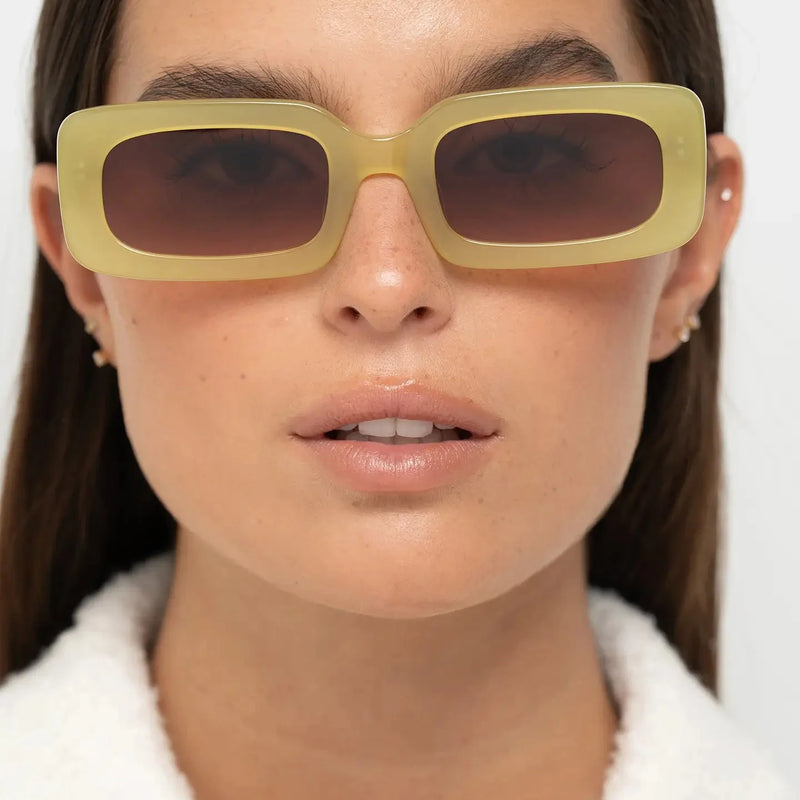
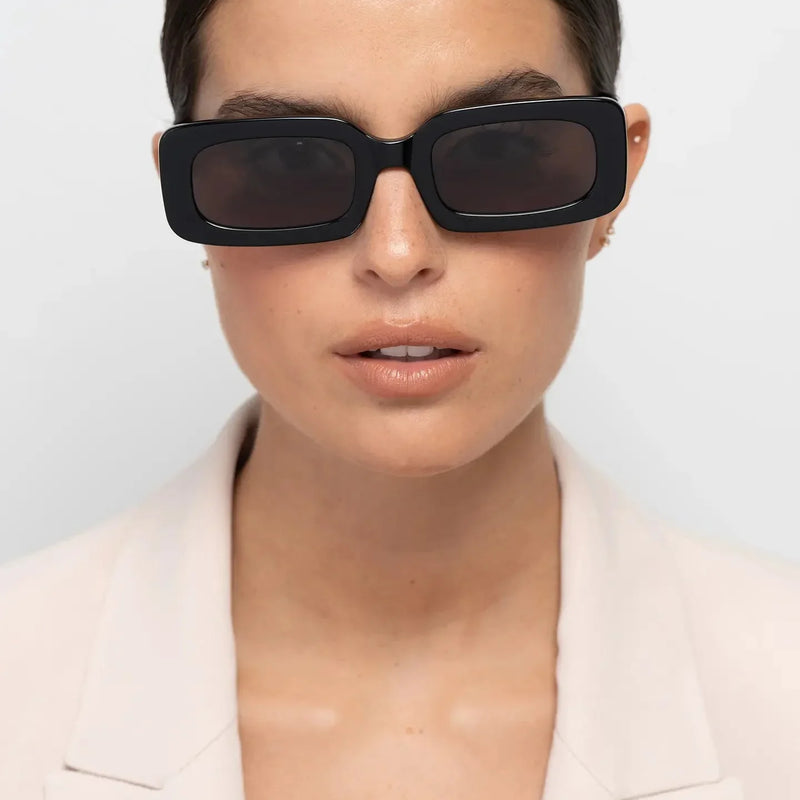
The logical next step is not another bold round silhouette. Instead, introducing a structured rectangular frame such as the Jane Shiny Black changes the architecture of the face entirely.
The cleaner horizontal lines create greater definition, making the collection feel noticeably broader despite adding only one additional frame. Together, the William and Jane offer two distinct styling directions: one softer and rounded, the other sharper and more architectural.
| Visual Element | William Foundation | Jane Contrast |
|---|---|---|
| Geometry | Bold round silhouette. | Structured rectangular profile. |
| Visual Impression | Soft confidence and balance. | Sharper definition and modern structure. |
| Wardrobe Pairing | Versatile everyday styling. | Tailoring, monochrome outfits and cleaner silhouettes. |
| Collection Role | Foundation. | Contrast. |
BBN Insight
A second pair should make your first pair more valuable, not less. The best collections are built around complementary roles, where every frame offers something the others cannot.
Editorial Perspective
The most sophisticated collections rarely rely on quantity. They rely on thoughtful contrast. Two frames that tell different visual stories will always outperform four that repeat the same one.
Once your collection has both a dependable foundation and genuine visual contrast, you no longer need another versatile frame. The third pair has a different purpose altogether: to express personality. This is where a timeless collection becomes unmistakably your own.
Choosing Your Third Pair: Add Personality Without Losing Timelessness
By the time you reach your third pair, the purpose of the collection changes.
You already own a dependable everyday frame. You have introduced meaningful contrast through a complementary silhouette. The collection no longer needs another versatile solution. It needs character.
This is where many people mistakenly begin. They buy the bold statement piece first and expect it to perform every role. In reality, expressive sunglasses become far more enjoyable once versatility has already been established.
The third pair exists to reflect personality rather than necessity. It should feel memorable, distinctive and emotionally satisfying without replacing the first two frames.
The Expression Principle
A statement frame should never carry the responsibility of being your everyday sunglasses. Its purpose is to make ordinary outfits feel more intentional and memorable.
Expression is built on confidence, not trends
Many statement purchases fail because they rely entirely on novelty. Oversized proportions, unusual colours or dramatic silhouettes often feel exciting in the moment but quickly lose their appeal when fashion moves on.
A timeless expression frame works differently. It introduces individuality while remaining anchored in balanced proportions, quality materials and thoughtful design.
The result is a frame that attracts attention because it feels authentic, not because it follows a passing trend.

Completing the Rule of Three
Imagine your collection as three distinct conversations.
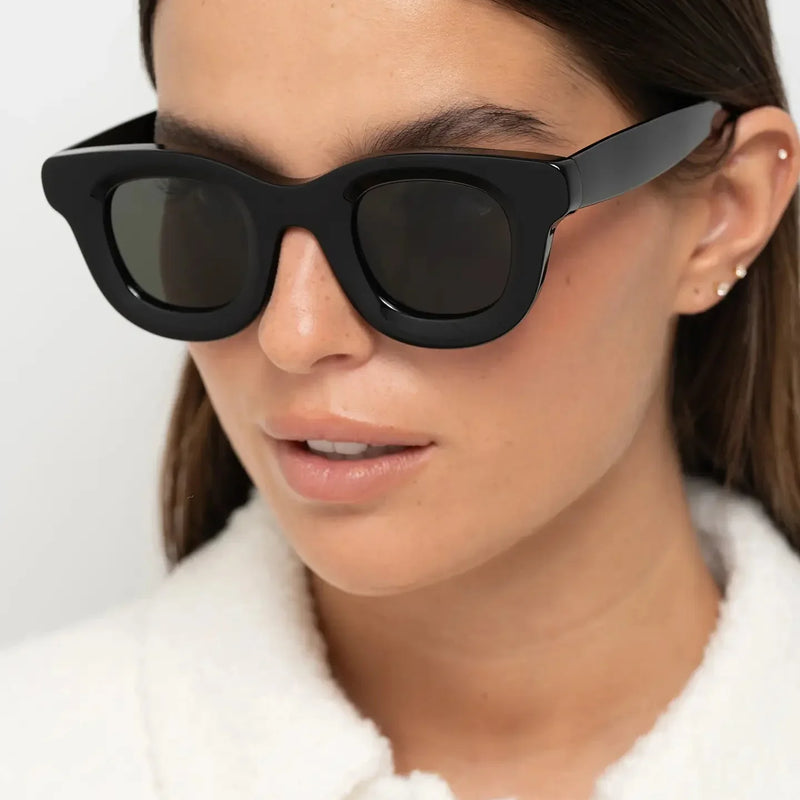
Your William provides dependable everyday confidence. The Jane introduces architectural contrast and expands styling possibilities. The Triboulet becomes the frame you choose when personal expression matters most.
None of these frames competes with another because each performs a clearly defined role. Together they create a wardrobe that feels complete without becoming excessive.
| Collection Role | Recommended Model | Primary Purpose | When You'll Reach For It |
|---|---|---|---|
| Foundation | William | Maximum versatility. | Daily wear, commuting, travel and everyday dressing. |
| Contrast | Jane | Alternative visual direction. | Sharper tailoring, cleaner silhouettes and occasions requiring stronger definition. |
| Expression | Triboulet | Personal identity. | Creative styling, weekends, holidays and moments where individuality takes priority. |
BBN Insight
Many people believe a collection becomes more luxurious as it grows. In reality, luxury comes from clarity. When every pair has a purpose, there is little desire to keep buying replacements for roles that are already fulfilled.
Editorial Perspective
A timeless sunglasses collection is not finished because you own three pairs. It is finished when every pair feels impossible to remove because each contributes something unique. That is the difference between collecting products and curating a personal wardrobe.
With the Rule of Three complete, the next step is refining the collection even further. Rather than thinking about individual models, it is time to understand how frame shape influences facial balance, personal style and long-term versatility.
The Frame Strategy: Why Shape Changes Everything
Building a timeless sunglasses collection is not simply about owning three different pairs. It is about understanding why certain frames consistently work while others rarely leave their case.
The single biggest factor behind that decision is not colour, brand or even current fashion. It is frame shape.
Long before someone notices whether your sunglasses are black or tortoise, matte or glossy, their brain has already processed the silhouette sitting across your face. Shape is interpreted almost instantly, influencing how your facial proportions are perceived and what kind of visual impression you create.
This explains why two sunglasses made from the same acetate, in the same colour and at the same price can create completely different results once they are worn.
Learning how frame shape influences perception allows you to build a collection that feels intentional instead of random. Rather than buying multiple similar styles, you begin choosing frames that each contribute something unique to your wardrobe.
Editorial Perspective
Experienced eyewear designers rarely begin by choosing colours. They begin with silhouette. Shape determines personality, balance and presence long before materials and finishes enter the conversation.
Stop Shopping by Face Shape Alone
Search online for advice about sunglasses and you will quickly find the same recommendation repeated everywhere:
- Round face? Wear square frames.
- Square face? Wear round frames.
- Oval face? Almost everything works.
- Heart-shaped face? Choose softer proportions.
Although these guidelines contain some truth, they oversimplify a far more complex decision.
Two people with identical face shapes can look completely different wearing the same sunglasses. Their facial proportions, eyebrow position, cheekbone definition, nose width, hairstyle and personal style all influence how a frame is perceived.
Face shape is therefore only one variable—not the entire answer.
If you would like a dedicated breakdown of traditional face shape advice, our guides on choosing sunglasses for your face shape and how to choose sunglasses that fit your face and style explore these fundamentals in greater detail.
For building a timeless collection, however, we need a broader way of thinking.
Instead of asking, "Which sunglasses suit my face shape?", ask a more useful question:
How do I create the visual impression I want while maintaining balance across my entire wardrobe?
That shift changes everything.
Rather than searching for one "perfect" frame, you begin understanding why different silhouettes belong in different situations. A rounded frame may soften your features for everyday wear, while a structured rectangular frame introduces authority for more tailored outfits. Neither is objectively better—they simply perform different visual roles.
This is also why collections built around complementary shapes feel significantly more versatile than collections made up of similar frames in different colours.
BBN Insight
Your face shape helps narrow the options. Your frame strategy determines whether a collection continues to work for years.
The Five Layers of Frame Selection™
At Bo Bo Noir, we think about eyewear as a series of visual decisions rather than a single purchase.
Every successful frame can be analysed through five connected layers. Together they explain why certain sunglasses immediately feel balanced, refined and timeless, while others never seem quite right—even if they are technically suited to your face shape.
These five layers form the foundation of our editorial approach to selecting eyewear.
- Geometry — the silhouette that defines the personality of the frame.
- Scale — how the size of the frame relates to your facial proportions.
- Visual Weight — the perceived strength created by thickness, acetate density and overall presence.
- Brow Line — how the upper edge of the frame interacts with your natural facial architecture.
- Personality — the emotional impression created when all four elements work together.
Most buying guides stop after the first point. Truly timeless collections are built by understanding all five.
In the next section, we begin with the most influential layer of all: geometry, and explore why a simple change from round to rectangular can completely alter the way your face is perceived.
Geometry: The Shape That Defines First Impressions
If frame strategy begins anywhere, it begins with geometry.
Before colour, before material and even before lens tint, your brain recognises shape. Within a fraction of a second, the silhouette of a pair of sunglasses begins influencing how a face is perceived. This is why two frames of identical quality can create completely different impressions simply because one is round and the other is rectangular.
Understanding geometry allows you to build a collection with intention. Rather than owning several pairs that all feel interchangeable, you create visual variety by choosing shapes that communicate different personalities.
If you would like to explore the differences in greater detail, our guides on Round vs Square Sunglasses and How Frame Shape Changes Facial Balance examine how geometry influences facial proportions and overall style.
BBN Principle
Every frame shape communicates something before anyone notices its colour or its brand. Geometry is the language of eyewear.
Round frames: Soft confidence
Round silhouettes introduce softer curves that naturally reduce visual tension across the face. They often feel approachable, creative and timeless because the eye follows continuous lines instead of abrupt angles.
This explains why well-balanced round frames work particularly well as the foundation of a timeless collection. They adapt easily to casual clothing, tailoring and everyday wardrobes without dominating the face.
The William demonstrates this balance particularly well. Its bold round silhouette creates presence while maintaining enough symmetry to remain exceptionally versatile.
Rectangular frames: Structure and authority
Rectangular sunglasses create the opposite effect. Their stronger horizontal and vertical lines introduce definition, making facial features appear cleaner and more architectural.
Rather than softening the face, rectangular geometry organises it. This often creates an impression of confidence, precision and contemporary elegance, making these frames particularly effective as the contrast piece within a collection.
The Jane illustrates this beautifully. Its bold rectangular silhouette complements a round foundation frame rather than competing with it, allowing both pairs to fulfil completely different roles.
Panto frames: The balance between tradition and modernity
Panto frames occupy the middle ground between round and rectangular geometry. Their gently rounded lenses combined with a flatter upper section create a silhouette that feels intellectual, refined and unmistakably European.
Because they combine softness with subtle structure, panto shapes often become the most adaptable expression pieces within a collection. They offer personality without relying on exaggerated proportions or short-lived trends.
The Triboulet is an excellent example of this philosophy, combining classic panto geometry with bold acetate construction to produce a frame that feels distinctive without becoming overpowering.
| Geometry | Visual Impression | Best Collection Role | Bo Bo Noir Example |
|---|---|---|---|
| Round | Balanced, approachable and timeless. | Foundation. | William. |
| Rectangular | Structured, confident and precise. | Contrast. | Jane. |
| Panto | Refined, cultured and quietly expressive. | Expression. | Triboulet. |
Editorial Perspective
A timeless collection is rarely built by repeating one successful silhouette in different colours. It is built by combining complementary geometries that allow the same wardrobe to communicate different moods, levels of confidence and occasions.
Once geometry has been chosen, the next question becomes equally important. A beautifully designed frame can still feel uncomfortable or visually unbalanced if its proportions are wrong. This brings us to the second layer of the framework: scale.
Scale: Why the Right Shape Can Still Look Wrong
Finding the right frame shape is only half the equation. A beautifully designed pair of sunglasses can still feel awkward if its proportions are out of balance with your face.
This is where scale becomes one of the most overlooked aspects of eyewear selection.
Many people assume a frame either suits them or it does not. In reality, the problem is often not the shape itself but its size. A round frame that feels too small can make the face appear wider, while the same silhouette in the correct proportions immediately looks balanced and intentional.
Understanding scale helps explain why two people wearing the same model can experience completely different results.
BBN Principle
Geometry determines the personality of a frame. Scale determines whether that personality feels natural or forced.
Think in proportions, not measurements
Most shopping guides focus on lens width, bridge size or temple length. These measurements matter, but they rarely explain how a frame will actually look once it is worn.
A more useful approach is to evaluate visual proportion.
Ask yourself four simple questions:
- Does the frame feel proportional to the width of my face?
- Do my eyes sit comfortably within the lenses?
- Does the frame support my facial structure without dominating it?
- Would a slightly larger or smaller version create better balance?
If you are unsure where to begin, our guides on What Size Sunglasses Should I Choose?, How Should Sunglasses Fit Your Face? and How to Know if Sunglasses Are Too Big or Too Small provide a more detailed fitting framework.
What happens when a frame is too small?
Small frames tend to increase visual tension across the face. The temples appear wider, the cheeks feel fuller and the sunglasses often look as though they are sitting on the face rather than becoming part of it.
This effect becomes even more noticeable with bold acetate because the thicker rims amplify the lack of proportion.
Unless you are intentionally creating a vintage-inspired look, undersized frames rarely become long-term favourites because they constantly feel restrictive.
What happens when a frame is too large?
Oversized sunglasses can feel elegant, but only when the proportions remain controlled.
If the frame extends too far beyond the temples or drops excessively below the cheekbones, facial definition begins to disappear. Instead of enhancing your features, the sunglasses become the only thing people notice.
The goal is not maximum coverage. The goal is balanced presence.
| Frame Scale | Visual Effect | Best Use |
|---|---|---|
| Too Small | Adds facial tension and exaggerates width. | Usually best avoided for everyday wear. |
| Balanced | Creates harmony between face and frame. | Ideal for a timeless collection. |
| Oversized | Creates stronger fashion presence. | Works best when intentionally styled. |
Scale also changes the role of a collection
Imagine owning the same frame in two different sizes.
The smaller version may feel understated and precise, making it ideal for everyday wear. A slightly larger interpretation of the same design can become noticeably more expressive, creating stronger visual presence without changing the silhouette itself.
This illustrates an important principle: scale does not simply affect fit—it changes personality.
When building a timeless sunglasses collection, choose a balanced scale for your foundation pair. Reserve more adventurous proportions for the contrast or expression pieces, where they add variety without reducing overall versatility.
Editorial Perspective
The most elegant sunglasses rarely feel too big or too small. They disappear into the proportions of the face, allowing the person—not the frame—to become the focal point.
Once geometry and scale are working together, one final design element determines how powerful or subtle a frame feels. Surprisingly, this has very little to do with colour. It is called visual weight, and it changes the presence of a pair of sunglasses more than most people realise.
Visual Weight: The Invisible Quality That Changes Everything
Once you've chosen the right geometry and scale, one final design element determines how a pair of sunglasses actually feels when worn.
It isn't colour.
It isn't the brand.
It isn't even the lens.
It is visual weight.
Visual weight describes how much presence a frame creates before anyone consciously notices its details. Two sunglasses may share the same shape and dimensions, yet one feels bold and authoritative while the other appears light, relaxed and understated.
The difference lies in how the frame distributes visual mass across the face.
This is one of the least understood aspects of eyewear design, yet it has a profound influence on how balanced, expensive and timeless a pair of sunglasses appears.
BBN Principle
Visual weight influences presence more than colour. Before people notice whether a frame is black, tortoise or crystal, they instinctively register how visually heavy or light it feels.
What creates visual weight?
Visual weight is created by several design decisions working together rather than a single feature.
- Acetate thickness — thicker rims naturally create stronger presence.
- Transparency — crystal acetates appear lighter because the eye continues through the material instead of stopping at its edge.
- Colour contrast — darker colours create more definition, while lighter tones soften facial transitions.
- Lens contrast — darker lenses increase visual intensity, while lighter or gradient lenses reduce it.
- Surface finish — glossy acetates reflect light differently from matte finishes, subtly changing perceived weight.
None of these elements works in isolation. Together they determine whether a frame quietly complements your face or immediately becomes the dominant visual feature.
Heavy visual weight: Strong definition
Frames with greater visual weight create stronger facial structure. Thick black acetate, dark lenses and bold silhouettes naturally attract attention, making facial features appear more defined and intentional.
This explains why classic black acetate has remained relevant for decades. Its strength comes from clarity rather than decoration.
If this topic interests you, explore our articles on Thin vs Thick Frame Sunglasses, Why Dark Frames Create Stronger Facial Definition and What Makes Sunglasses Look Expensive.

Light visual weight: Softer balance
Not every collection benefits from maximum presence.
Crystal acetates, warm transparencies and lighter lens colours allow more of the face to remain visible. Rather than creating strong contrast, they soften transitions between the frame and the skin, producing a calmer and often more approachable appearance.
This is one reason translucent acetate has become increasingly popular among people looking for timeless eyewear rather than trend-driven statement pieces.
For a deeper understanding of transparency and lighter materials, see our articles on Why Translucent Frames Feel More Natural, Why Transparent Frames Create Softer Facial Balance and Why Premium Acetate Looks Different.

| Visual Weight | Creates | Best For | Example |
|---|---|---|---|
| Heavy | Definition, authority and stronger presence. | Statement dressing, tailoring and structured wardrobes. | Triboulet Shiny Black. |
| Medium | Balanced versatility. | Everyday wear and timeless collections. | William Tortoise. |
| Light | Softness, openness and relaxed elegance. | Minimal wardrobes, warm seasons and understated styling. | William Crystal Peach. |
Editorial Perspective
Many people believe colour determines whether sunglasses feel bold or subtle. In reality, colour simply amplifies visual weight. The true character of a frame comes from the relationship between geometry, proportion, material and contrast.
With geometry, scale and visual weight working together, there is one final design principle that ties the entire frame to your face. Surprisingly, it is also one of the least discussed aspects of eyewear design: the relationship between the frame and your eyebrows. This is known as the Brow Line Principle™.
The Brow Line Principle™: The Detail Your Brain Notices First
After geometry, scale and visual weight have been carefully balanced, one final design element determines whether a pair of sunglasses feels naturally integrated with your face or subtly disconnected.
It is called the brow line.
Although most people rarely think about it consciously, the upper edge of a frame is one of the first visual elements the brain processes when looking at a face.
This happens because humans naturally focus on the eyes during social interaction. Before we analyse colour, materials or branding, our attention is drawn towards the area surrounding the eyes and eyebrows.
The top line of a pair of sunglasses either supports that natural facial architecture or competes against it.
That single relationship often explains why two frames with similar dimensions can produce completely different results.
BBN Principle
People rarely notice the brow line consciously, but they almost always feel its effect. When the upper edge of a frame works with your natural facial architecture, the entire face appears calmer and more balanced.
Why the brow line matters
The human brain searches for order.
When the upper edge of a frame follows the natural rhythm created by your eyebrows, facial proportions appear harmonious. The sunglasses seem to belong on the face rather than sitting in front of it.
When the brow line fights against that rhythm, the eye struggles to organise the face into a coherent whole. The result is often described as "something feels off" even when people cannot explain exactly why.
This is one reason why experienced eyewear designers spend so much time refining the upper silhouette of a frame.
Three types of brow line relationships
Although every face is unique, most successful sunglasses fall into one of three visual relationships.
| Relationship | Visual Effect | Best For |
|---|---|---|
| Parallel | Creates the strongest feeling of balance and harmony. | Everyday timeless eyewear. |
| Slightly Elevated | Adds energy and confidence without appearing aggressive. | Modern statement pieces. |
| Disconnected | Can create visual tension and make facial proportions feel less organised. | Usually best avoided unless intentionally styled. |
Looking beyond face shape
This principle also explains why face-shape advice has limitations.
Two people with identical face shapes may have completely different eyebrow positions, forehead heights or eye spacing. A frame that creates beautiful brow line alignment for one person may feel noticeably less balanced on another.
For this reason, we recommend combining face-shape guidance with proportion, geometry and brow line analysis rather than relying on a single rule.
If you want to explore these topics further, our articles on Should Sunglasses Cover Your Eyebrows?, How Frame Width Changes Facial Proportions and How Sunglasses Change Facial Balance explore these principles in greater depth.
The Brow Line Principle™
Face
↓
Eyes
↓
Eyebrows
↓
Frame Brow Line
↓
Overall Expression
BBN Insight
Timeless sunglasses rarely demand attention through exaggerated design. Instead, they quietly reinforce the natural architecture of the face. When the brow line, geometry and proportions work together, the frame almost disappears—allowing the person wearing it to become the focus.
Editorial Perspective
Great eyewear design is rarely about adding more. It is about removing visual conflict. The most enduring sunglasses are those that feel as though they were always meant to belong on the face, creating harmony rather than distraction.
With geometry, scale, visual weight and brow line now working together, only one major decision remains: colour. Surprisingly, colour has less influence than most people imagine, yet it has enormous power to refine mood, versatility and long-term wearability. In the next section, we'll explore how to choose colours that remain timeless long after seasonal trends have disappeared.
The Fifth Layer: Personality Is What Makes a Collection Memorable
Geometry defines shape.
Scale controls proportion.
Visual weight determines presence.
The brow line creates harmony.
Together, these four layers explain why a frame looks balanced. But they still do not explain why certain sunglasses feel unmistakably like you.
That final layer is personality.
Personality is not about following trends or choosing the boldest frame in the room. It is about selecting eyewear that communicates the same values, confidence and style that already exist throughout your wardrobe.
When personality is ignored, sunglasses often feel like accessories added at the last minute. When personality is considered from the beginning, every pair feels like a natural extension of the person wearing it.
BBN Principle
The most timeless sunglasses are not the ones that attract the most attention. They are the ones that feel completely consistent with the person wearing them.
Style is built through consistency
One reason timeless wardrobes appear effortless is consistency.
The shoes, tailoring, knitwear, jewellery and eyewear all seem to belong to the same visual language. Nothing feels random because every decision supports the next.
Your sunglasses should work in exactly the same way.
If your wardrobe is built around clean tailoring, refined knitwear and monochromatic colours, a heavily decorated fashion frame may feel disconnected. Likewise, someone whose style is expressive and artistic may find minimalist metal frames too restrained for their personality.
Timeless collections are rarely built by chasing variety for its own sake. They are built by choosing different expressions of the same visual identity.
Think in roles, not favourites
Many people search for one perfect pair of sunglasses that can do everything.
In reality, collections become far more versatile when each frame has a clearly defined purpose.
| Collection Role | Personality | Typical Occasions |
|---|---|---|
| Foundation | Calm, dependable and versatile. | Everyday wear, travel and daily dressing. |
| Contrast | Structured, confident and contemporary. | Work, tailoring and elevated occasions. |
| Expression | Creative, individual and memorable. | Weekends, holidays and personal style moments. |
This is why we introduced the Timeless Collection Pyramid earlier in this guide. Each pair contributes a different personality without overlapping the role of another.
Personality should evolve naturally
A timeless collection is never static.
As your wardrobe evolves, your eyewear can evolve with it. The goal is not to replace every pair each season, but to add carefully considered pieces that expand your options while remaining faithful to your overall aesthetic.
This is also why investment-quality eyewear remains relevant for years. Well-designed frames do not rely on seasonal trends to create personality. They express it through proportion, craftsmanship and restraint.
If you're interested in the design details that contribute to this feeling of longevity, our articles on What Makes Sunglasses Look Expensive, Why Premium Acetate Looks Different and How to Build a Capsule Eyewear Wardrobe explore these principles in greater depth.
Editorial Perspective
People often remember how someone made them feel more clearly than what they were wearing. Great eyewear supports that impression rather than competing with it. The frame becomes part of your identity instead of becoming your identity.
Now that we've explored the five layers of frame selection—geometry, scale, visual weight, brow line and personality—we can turn to the final element of a timeless sunglasses collection: colour. Contrary to popular belief, choosing the right colour is less about matching your outfit and more about building long-term versatility across your entire wardrobe.
The Colour Strategy: Choosing Colours You'll Still Love in Ten Years
Once you've chosen the right frame shape, proportions and personality, there is one final decision that determines how often your sunglasses will actually be worn.
Colour.
Most people approach colour emotionally. They buy the shade that catches their eye in the moment, often matching a current outfit or seasonal trend.
Timeless collections are built differently.
Instead of asking "Which colour do I like today?", ask a more valuable question:
Which colour will still complement my wardrobe, my lifestyle and my personal style five or ten years from now?
That subtle shift transforms colour from a fashion decision into a long-term investment.
The most enduring sunglasses collections rarely contain dozens of colours. Instead, they are built around a small number of carefully selected tones that work across different seasons, occasions and wardrobes.
Editorial Perspective
Timeless colour is less about making sunglasses stand out and more about helping them integrate effortlessly into everything else you own.
Why Black Became the World's Most Timeless Frame Colour
No frame colour has remained relevant for as long as black.
Decade after decade, black acetate continues to appear in luxury fashion houses, independent eyewear studios and archival collections alike. While silhouettes evolve, black consistently survives changing trends because it creates clarity rather than decoration.
A black frame establishes clean boundaries around the face. It defines the eyes, strengthens facial structure and creates enough contrast to remain visually striking without relying on embellishment.
This explains why black works equally well with tailoring, knitwear, denim, eveningwear and minimalist wardrobes. It adapts instead of competing.
For many people, a black frame becomes the foundation upon which an entire sunglasses collection is built.
If you'd like to understand why black remains so versatile, our guides on Black vs Tortoise Sunglasses, Why Black Sunglasses Never Go Out of Style and Why Dark Frames Create Stronger Facial Definition explore this in greater depth.
BBN Insight
Black does not remain timeless because it is neutral. It remains timeless because it creates consistent visual structure across almost every wardrobe.
Tortoise: The Most Versatile Alternative to Black
If black is the foundation of timeless eyewear, tortoise is its most versatile companion.
Unlike solid black, tortoise acetate combines multiple shades of brown, amber, caramel and honey into a single material. This subtle variation softens the transition between the frame and the face, producing a warmer and often more relaxed appearance.
Rather than dominating facial features, tortoise complements them.
This versatility explains why tortoise has remained a favourite among eyewear designers for generations. It pairs naturally with navy, cream, camel, olive, grey, white and denim while adapting beautifully across both casual and tailored wardrobes.
Many collectors eventually discover that a black frame and a tortoise frame cover the vast majority of everyday situations without feeling repetitive.
| Colour | Visual Character | Ideal Role |
|---|---|---|
| Black | Defined, architectural and confident. | Foundation pair. |
| Tortoise | Warm, versatile and naturally expressive. | Second everyday option. |
If you're deciding between these two classics, our articles on Black vs Tortoise Sunglasses and How to Choose Between Black and Tortoise Frames compare them in much greater detail.
Once you've established your timeless foundation colours, the next question becomes more personal: should your sunglasses complement your complexion? In the next section, we'll explore how warm and cool colour palettes influence the way eyewear interacts with your skin tone—and why these guidelines should support your style rather than restrict it.
Warm vs Cool Colours: Should Your Sunglasses Match Your Skin Tone?
Once you've established the timeless foundation of your collection with versatile colours such as black and tortoise, the next question becomes more personal.
Should your sunglasses match your skin tone?
The short answer is yes—but not as rigidly as many style guides suggest.
Skin tone influences how colours interact with your face, yet it should never become a rule that prevents you from wearing frames you genuinely love. The objective is not perfection. It is harmony.
Think of undertones as a way of refining your choices rather than limiting them.
BBN Principle
Personal colouring should guide your decisions—not dictate them. The right frame shape and proportion almost always matter more than finding the "perfect" colour.
Understanding warm and cool undertones
Most complexions naturally lean towards either warm or cool undertones, although many people sit somewhere between the two.
Warm undertones often contain hints of golden, olive or peach beneath the skin, while cool undertones tend to reveal pink, blue or neutral characteristics.
The goal is not to match these colours exactly. Instead, it is to create a relationship between your complexion and your eyewear that feels balanced and intentional.
If you'd like a dedicated explanation of undertones, our guides on Warm vs Cool Skin Tone: How to Choose the Right Sunglasses and How to Find Your Skin Undertone for Eyewear explore this topic in much greater depth.
Colours that naturally complement warm undertones
Frames with rich, earthy colours often sit comfortably alongside warmer complexions.
Classic tortoise, amber, honey, olive, caramel and deep brown acetates create gentle transitions that feel cohesive rather than high-contrast.
These colours are particularly effective if your wardrobe already contains shades such as camel, cream, olive green, chocolate brown or soft navy.
Many people assume warm colours are less sophisticated than black, but this is rarely true. They simply communicate elegance in a quieter, softer way.
Colours that naturally complement cool undertones
Cooler complexions often pair beautifully with black acetate, charcoal, deep navy, crystal grey and transparent frames with subtle blue or smoke undertones.
These colours create crisp definition while maintaining a refined appearance.
Rather than adding warmth, they reinforce the natural clarity already present within cooler skin tones.
This is one reason why black continues to work so universally. Its neutrality allows it to complement both warm and cool complexions, with the overall effect being shaped more by contrast than by undertone alone.
| Undertone | Colours That Often Work Well | Visual Effect |
|---|---|---|
| Warm | Tortoise, caramel, olive, amber, honey. | Natural warmth and soft contrast. |
| Cool | Black, charcoal, smoke, crystal grey, navy. | Clean definition and refined contrast. |
| Neutral | Most classic colours work equally well. | Maximum versatility. |
Your wardrobe matters as much as your complexion
Colour does not exist in isolation.
The same pair of sunglasses can feel completely different depending on the clothing surrounding it.
If your wardrobe is predominantly monochrome, black frames often create a seamless continuation of that aesthetic. If you favour earth tones, linen, knitwear and natural textures, tortoise and warmer acetates may feel significantly more integrated.
This is why professional stylists rarely choose eyewear based solely on skin tone. They consider the entire visual identity of the person, including clothing, accessories, hairstyle and lifestyle.
Editorial Perspective
The most versatile sunglasses are those that complement both your complexion and your wardrobe. When these two elements work together, choosing what to wear becomes almost effortless.
Frame colour is only one half of the equation. The colour of the lenses can completely change the mood, comfort and versatility of the same pair of sunglasses. In the next section, we'll explore why grey, green and brown lenses each create a different visual experience—and how to choose the right one for your collection.
Common Mistakes That Stop a Sunglasses Collection from Becoming Timeless
Building a timeless sunglasses collection is not about spending more money. It is about making better decisions over time.
Most collections that eventually feel cluttered or disappointing are not the result of poor taste. They are usually the consequence of repeating the same buying habits.
If you can avoid the following mistakes, your collection will naturally become more versatile, more coherent and far easier to wear.
BBN Insight
A timeless collection is defined as much by the sunglasses you choose not to buy as by the ones you do.
1. Buying the same frame repeatedly
Many people believe they own variety because they have several pairs of sunglasses.
In reality, the differences are often minimal. Three black rectangular frames may have slightly different details, but they perform exactly the same role within a wardrobe.
Instead of adding versatility, each new purchase simply replaces the previous one.
Before buying another pair, ask yourself whether it introduces a genuinely different geometry, colour or personality to your collection.
2. Following trends instead of building a wardrobe
Fashion trends come and go. A well-designed collection should remain relevant long after a particular silhouette has disappeared from magazine covers.
Trend-led purchases are not necessarily mistakes, but they work best when they complement a strong foundation rather than replace it.
If your first three pairs are timeless, adding one more experimental frame becomes a creative choice rather than a risk.
3. Choosing by face shape alone
Face shape is useful, but it should never be the only deciding factor.
Throughout this guide we've seen that geometry, scale, visual weight, brow line and personality all influence how sunglasses are perceived.
Reducing every decision to a simple face-shape chart ignores the complexity that makes truly great eyewear feel balanced.
4. Prioritising quantity over quality
Owning ten average pairs rarely creates more options than owning three exceptional ones.
Quality materials, thoughtful design and excellent fit continue to reward you every time you wear them. Poor-quality frames rarely become favourites, no matter how inexpensive they were.
This is why many experienced collectors gradually buy fewer sunglasses, not more.
5. Ignoring how sunglasses fit into your wardrobe
A beautiful frame can still become an expensive mistake if it works with only one outfit.
The most successful collections are built around versatility. Every new pair should increase the number of combinations available rather than reducing them.
Before purchasing, imagine at least five outfits you already own that would naturally work with the frame. If you struggle to do so, it may not deserve a place in your collection.
| Mistake | Better Approach |
|---|---|
| Buying similar frames | Choose complementary shapes and roles. |
| Following trends | Build a timeless foundation first. |
| Using only face-shape rules | Consider geometry, scale, visual weight and personality. |
| Buying many inexpensive pairs | Invest in fewer, better-designed frames. |
| Ignoring your wardrobe | Choose sunglasses that work across multiple outfits. |
Editorial Perspective
The most elegant sunglasses collections are rarely the largest. They are carefully edited over time, with every frame earning its place through versatility, craftsmanship and purpose.
With these common mistakes in mind, building a timeless collection becomes much simpler. The final step is bringing everything together into a practical framework that you can use every time you consider buying your next pair of sunglasses.
Your 5-Step Blueprint for Building a Timeless Sunglasses Collection
By now we've explored the principles behind timeless eyewear—from choosing complementary frame shapes to understanding scale, visual weight, colour and personality.
The challenge, however, is not remembering every detail. It is knowing how to apply those ideas the next time you consider buying a new pair of sunglasses.
Fortunately, the process is much simpler than it first appears.
If you remember only one section from this guide, let it be this one.
The following five-step framework brings together everything we've discussed into a practical system that can be used for your first pair or your fifteenth.
Editorial Perspective
Timeless collections are not built in a single shopping trip. They are built one thoughtful decision at a time.
Step 1: Build a foundation before adding variety
Every successful collection begins with one dependable pair.
This is the frame that works on most days, with most outfits and in most situations. It should prioritise versatility over novelty, making it the pair you instinctively reach for without needing to think.
For many people, this means choosing a classic black or tortoise acetate frame with balanced proportions and a timeless silhouette.
If you are still choosing your first investment pair, revisit the sections on the Foundation Frame, Geometry and Scale before making a decision.
Step 2: Add contrast—not duplication
Your second pair should introduce something your first pair cannot.
Perhaps it offers a more structured silhouette, a lighter visual weight or a warmer colour palette. Whatever you choose, it should expand the collection rather than repeat it.
A useful question to ask is:
Does this pair solve a problem that my current collection cannot?
If the answer is no, it is probably too similar to what you already own.
Step 3: Let personality come last
Only after establishing a strong foundation should you begin introducing more expressive designs.
This is where distinctive panto frames, bolder acetate colours or more individual silhouettes can add character without reducing the versatility of the collection.
Expression works best when supported by timeless essentials.
Step 4: Think like a wardrobe, not a shopper
Every new frame should work alongside the clothes you already own.
Instead of asking whether you like a particular pair, ask whether it integrates naturally with your existing wardrobe.
The most successful collections feel coherent because every frame shares the same visual language, even when each one has its own personality.
Step 5: Buy less, choose better
Perhaps the most valuable lesson in this guide is also the simplest.
Resist the temptation to buy frequently.
Timeless collections grow slowly. Every new addition should earn its place by introducing a new role, a new visual character or a new styling opportunity.
If a frame cannot clearly explain why it belongs in your collection, it probably doesn't.
| Step | Key Question |
|---|---|
| 1. Build a Foundation | Will I wear this with most of my wardrobe? |
| 2. Add Contrast | Does this add something genuinely different? |
| 3. Express Personality | Does this reflect my personal style? |
| 4. Think Like a Wardrobe | Will it work with what I already own? |
| 5. Buy Intentionally | Does this frame truly deserve a place in my collection? |
BBN Insight
The goal isn't to own more sunglasses. It's to reach the point where every pair you own has a clear purpose, complements the others and feels just as relevant years from now as it does today.
A Timeless Collection Is Never Finished
Perhaps the biggest misconception about building a sunglasses collection is believing there is a final destination.
In reality, timeless collections continue to evolve.
As your wardrobe changes, your lifestyle develops and your personal style becomes more refined, your eyewear should evolve with you. New additions are not about replacing what already works—they are about expanding your options while remaining true to the same design principles.
That is why the world's best collections rarely feel excessive. They feel carefully curated.
Every frame has a purpose.
Every purchase has a reason.
And every decision contributes to a collection that becomes more personal—and more timeless—with every passing year.
Frequently asked questions
How many pairs of sunglasses should I own?
There is no universal number, but most people can build a versatile collection with three carefully chosen pairs. A foundation frame for everyday wear, a contrasting style that adds structure or variety, and a more expressive pair for occasions where you want greater personality will cover most situations without unnecessary duplication. As your wardrobe evolves, you can expand your collection thoughtfully, ensuring every new frame adds a unique role rather than replacing one you already own.
What is the most timeless sunglasses frame shape?
No single frame shape is timeless for everyone, but balanced silhouettes such as round, panto and classic rectangular frames have remained relevant for decades. The key is choosing a shape that complements your facial proportions and integrates naturally with your personal style. Timeless eyewear depends more on proportion, craftsmanship and versatility than on following seasonal trends.
What is the most versatile sunglasses colour?
Black remains the most universally versatile frame colour because it creates strong definition and pairs effortlessly with almost every wardrobe. Tortoise is an equally timeless alternative, offering a warmer and softer appearance that works particularly well with earth tones and neutral clothing. Together, these two colours form the foundation of many enduring eyewear collections.
Should sunglasses match my skin tone?
Skin tone should guide your decision rather than dictate it. Warm undertones often work beautifully with tortoise, amber and olive acetates, while cooler undertones tend to suit black, charcoal and crystal grey frames. However, frame shape, fit and overall proportions usually have a greater impact on how sunglasses look than colour alone.
Is it better to buy several inexpensive sunglasses or one premium pair?
For most people, investing in one well-made pair provides greater long-term value than buying several lower-quality alternatives. Premium materials, precise construction and timeless design generally result in better comfort, durability and everyday wearability. Over time, a carefully chosen frame is likely to be worn far more often than multiple trend-led purchases.
How do I know if a pair of sunglasses is too trendy?
Ask yourself whether you would still enjoy wearing the frame five years from now. Designs that rely on exaggerated proportions, novelty details or short-lived fashion trends often date quickly. Timeless sunglasses tend to favour clean geometry, balanced proportions and high-quality materials over decorative features.
Can I build a timeless sunglasses collection on a budget?
Yes. A timeless collection is built through thoughtful purchasing rather than constant purchasing. Start with one versatile frame that you genuinely enjoy wearing and expand slowly as your needs evolve. Prioritising quality, fit and versatility over quantity will usually produce a stronger collection regardless of your budget.
How often should I replace my sunglasses?
Well-made sunglasses do not need replacing every season. If your frames remain comfortable, structurally sound and continue to suit your wardrobe, there is little reason to replace them. Instead of following fashion cycles, consider adding a new pair only when it introduces a genuinely different role or aesthetic to your collection.
What is the biggest mistake people make when buying sunglasses?
The most common mistake is buying multiple pairs that perform exactly the same role. Instead of choosing slightly different versions of the same frame, build a collection with complementary shapes, colours and personalities. This approach creates greater versatility while reducing unnecessary purchases.
What makes a sunglasses collection truly timeless?
A timeless collection is built around intention rather than impulse. Every frame has a clear purpose, complements the others and reflects your personal style instead of short-term trends. By focusing on quality, balanced design and versatility, your collection becomes more valuable with time rather than less.
Final Thoughts
A timeless sunglasses collection is not built by chasing every new release or following every seasonal trend. It is built through a series of thoughtful decisions that reflect your lifestyle, your wardrobe and the way you want to present yourself to the world.
Throughout this guide, we've explored the principles that matter most: choosing complementary frame shapes, understanding geometry and proportion, recognising the role of visual weight, selecting colours that remain versatile and investing in craftsmanship that lasts.
The goal has never been to own more sunglasses.
The goal is to own the right sunglasses.
A carefully curated collection of three or four exceptional frames will almost always offer more versatility than a drawer full of impulse purchases. Each pair should earn its place, bringing something unique while remaining consistent with your personal style.
Perhaps the most important lesson is that timeless style is never accidental. It is the result of choosing quality over quantity, intention over impulse and longevity over short-lived trends.
If you're ready to begin building your own timeless sunglasses collection, explore the Bo Bo Noir collection to discover handcrafted acetate frames designed around the same principles of balance, versatility and enduring design explored throughout this guide.
Whether you're investing in your very first pair or refining a collection you've built over many years, remember that the best sunglasses are not simply the ones that look good today—they're the ones you'll still enjoy wearing a decade from now.