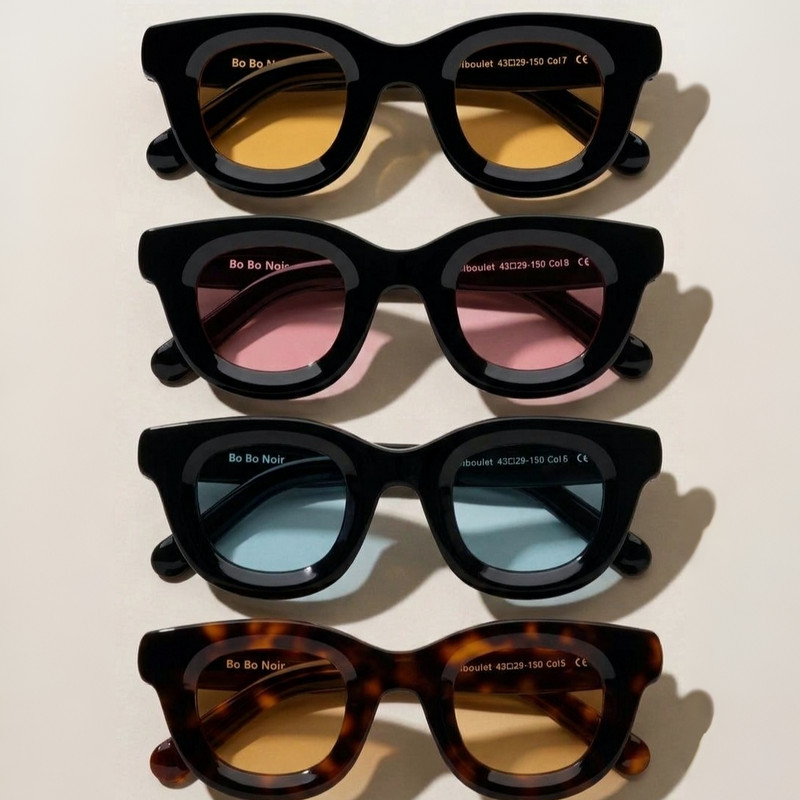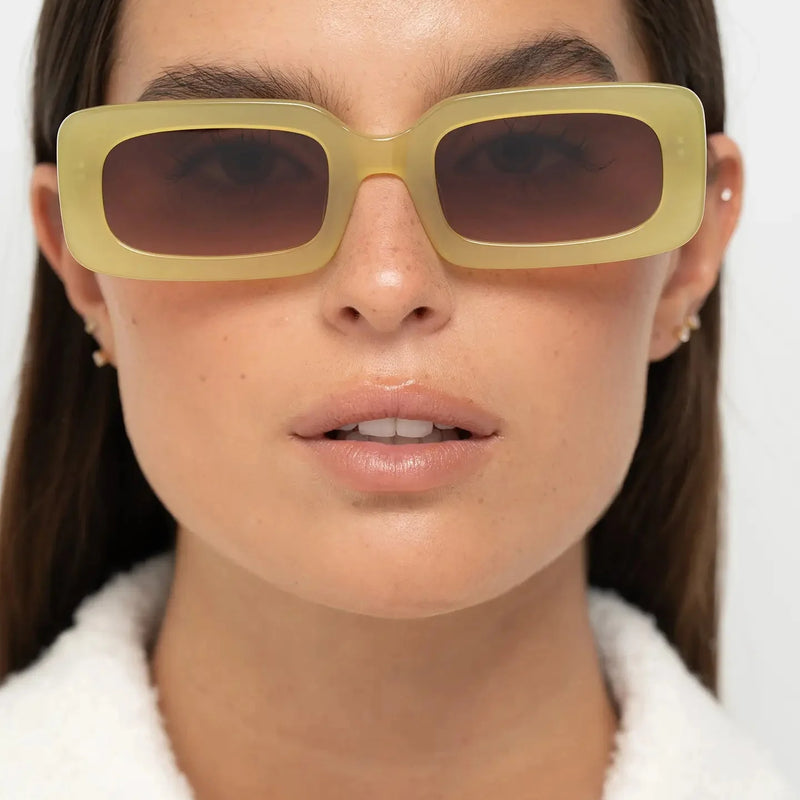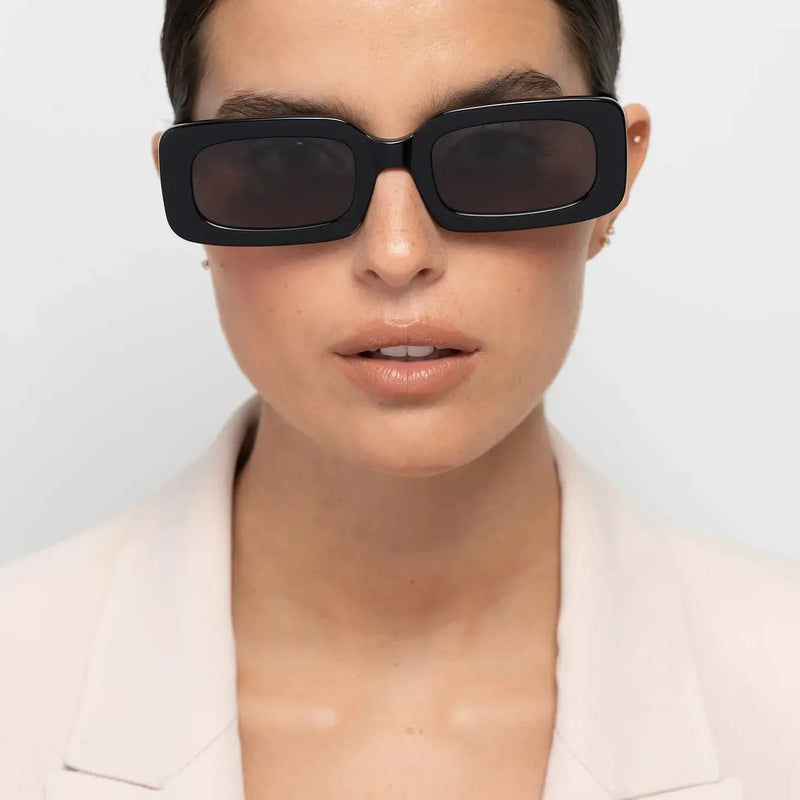
Finding sunglasses for a wide face starts with fit, not with trying to make your face look smaller. A frame should sit comfortably across the temples, feel secure at the bridge and offer the visual proportions you prefer. Some people want to soften horizontal emphasis; others prefer a bold, wide silhouette. Neither preference is inherently more flattering. The useful distinction is between physical fit and visual styling. For measurements, start with our complete sunglasses fit guide and sunglasses size guide. This article focuses specifically on choosing frames for broader facial proportions. The best sunglasses for a wide face are frames that fit without squeezing at the temples, sit securely on the nose and have proportions that match your preferred look. Panto, oval and rectangular shapes can all work. Choose adequate frame width for comfort; use lens height, shape and colour to influence the visual effect. A wider face does not require a narrower-looking frame. Prioritise a comfortable fit, then decide whether you want softer curves, sharper definition or a more expressive oversized look. A wide face generally describes relatively broad proportions across the cheekbones, temples or jaw. It is not a fixed face shape: a round, square, oval or heart-shaped face can also have a broader overall width. That is why face-shape labels alone cannot tell you whether a frame will fit. Two people with similar facial outlines may need different frame widths or bridge designs. A frame that pinches the temples is not a good fit, even if its silhouette looks visually balanced. Do not size down simply to make the face appear narrower. If you are unsure whether a frame is too wide or too narrow, consult how to tell if sunglasses are too big or too small. Several silhouettes can complement a wider face. The difference is the visual character each creates—not a rule that one shape is universally best. Panto frames offer curved lens lines and a defined upper rim. They can soften angular features without losing visual presence. Rectangular sunglasses introduce clean edges and a more architectural look. If you want less horizontal emphasis, compare designs with more lens depth rather than very shallow rectangles. Rounder and oval silhouettes can soften strong jaw or cheekbone lines. Their suitability depends on width, bridge and the effect you want. For a more detailed shape comparison, see round vs square sunglasses. Yes—visually, lens depth can influence the balance between horizontal and vertical lines. A deeper lens often adds vertical presence, while a shallow lens can make the frame look more horizontal. This is a styling effect, not a universal fit rule. Lens height should also suit your cheek position, eyebrow line and preferred coverage. A taller lens is not automatically more comfortable. If two frames fit equally well, compare them in a front-facing photograph. Look at the overall silhouette rather than relying on the shape name alone. These are aesthetic tendencies rather than guarantees. Frame width, bridge geometry and lens dimensions can change the result substantially. Colour changes the apparent weight of a frame, but there is no single colour that suits all wide faces. Black can create a strong outline; tortoise introduces pattern and warmth; lighter or translucent acetate may appear less visually prominent. Choose colour according to your preferred contrast and wardrobe. Our black vs tortoise sunglasses guide explores that distinction. The following frames illustrate different styling directions. They are not guaranteed fits for every wide face; compare the published measurements and, where possible, try them on. Consider Jane if you want a structured, graphic silhouette. Consider another shape if you prefer softer curves or find its specific dimensions unsuitable. Consider Narr if you prefer a rounded outline with visible structure. Confirm the bridge and total frame width before deciding. Consider Triboulet if you like panto proportions and a warmer, softer visual effect. Check fit and lens specifications independently of the silhouette. Browse the Bo Bo Noir sunglasses collection to compare current styles and specifications. A comfortable, stable frame that suits your personal style is a better choice than one selected to satisfy a rigid face-shape formula. What sunglasses are best for a wide face? Frames that fit comfortably across the temples and bridge. Panto, rectangular, round and oval designs can all work; choose the look you prefer. Should wide faces avoid oversized sunglasses? No. Slightly oversized sunglasses can be a deliberate style choice, provided they remain comfortable, stable and appropriately positioned. Are rectangular sunglasses good for wide faces? Yes. Rectangular frames can create a defined look. Compare their overall width and lens height rather than assuming every rectangle fits the same way. Do panto sunglasses suit wide faces? They can. Their curved lens shape and structured upper line offer a softer visual direction, but fit depends on actual dimensions. How can I tell whether sunglasses are too narrow? Look for uncomfortable pressure at the temples, arms bowing outward and a frame that feels restrictive. Confirm with the fit measurements and try-on. Can taller lenses make a wide face look more balanced? They can add vertical emphasis, but this is an aesthetic effect rather than a requirement. Choose lens depth that also feels comfortable. Does frame colour affect the appearance of a wide face? Colour influences contrast and perceived visual weight, but it does not determine fit. Choose according to your preferred style. What if I have a wide and round face? Start with comfortable frame width, then decide whether you prefer angular definition or softer curves. Face shape and face size are separate considerations. The best sunglasses for a wide face are not necessarily the smallest, narrowest or most structured. They are the frames that fit properly and express the look you want. Start with temple comfort, bridge stability and lens position. Then use shape, lens height and colour to refine the visual effect. A wider face offers plenty of styling possibilities; it does not require correction. Find your balance. Explore silhouettes with the fit and visual presence you prefer. This guide combines an editorial comparison of frame silhouettes with practical fit principles. Frame examples are illustrative; individual comfort and suitability require checking actual product measurements. No claim is made that a particular shape or colour is universally flattering. How Should Sunglasses Fit Your Face? — A practical guide to frame positioning and comfort. What Size Sunglasses Should I Choose? — Understand frame dimensions before buying. Sunglasses That Make Your Face Look Slimmer — Explore optional styling effects rather than fit rules. Best Sunglasses for Small Face — How scale and frame dimensions influence smaller faces.
In this guide
What does a wide face mean?
How should sunglasses fit a wide face?

Which frame shapes suit wide faces?
Panto frames: curved balance

Rectangular frames: stronger definition

Round and oval frames: softer outlines

Does lens height change facial proportions?
Panto vs rectangular vs round: which should you choose?
Shape
Visual character
Consider it if
Panto
Soft curves with structure
You want a balance of softness and definition
Rectangular
Graphic, angular and defined
You prefer sharper lines and a deliberate silhouette
Round or oval
Curved and expressive
You want to soften angular features
Slightly oversized
More visible frame presence
You like a bold look and the frame still fits comfortably
Which frame colours work for wide faces?

Which Bo Bo Noir frames should you consider?
Jane Shiny Black — defined rectangular look
Narr Burgundy — softer panto character
Triboulet Tortoise Gradient Brown — rounded everyday character
What are the most common fitting mistakes?
FAQ: sunglasses for wide faces
Final thoughts
Sources and methodology
Continue reading
Quick Answer
BBN Insight
Fit before appearance
Decision principle